Culture
Actor Noel Clarke loses defamation lawsuit against Guardian publisher as sexual misconduct allegations ‘substantially true’

A Devastating Legal Blow for Noel Clarke
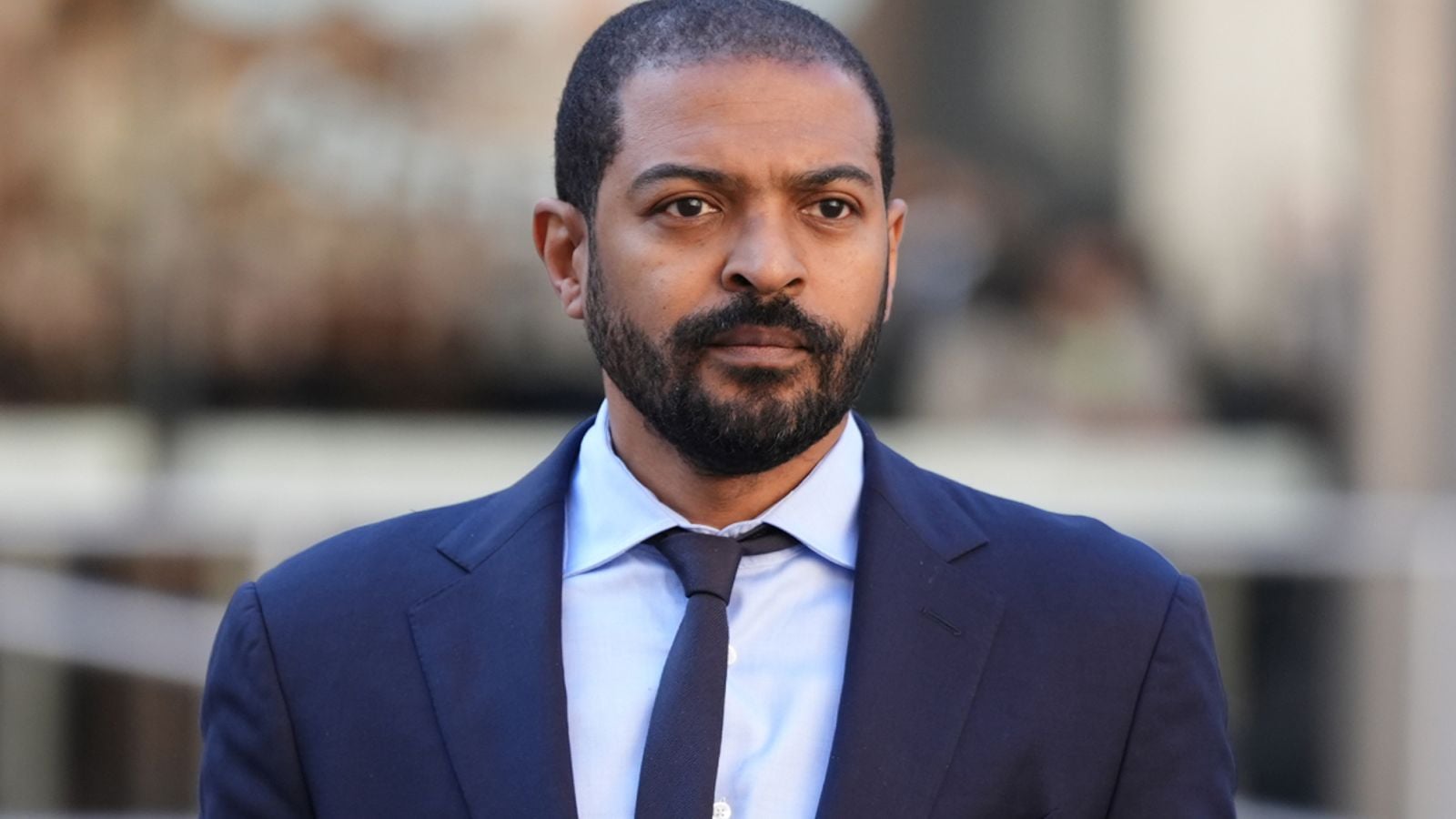
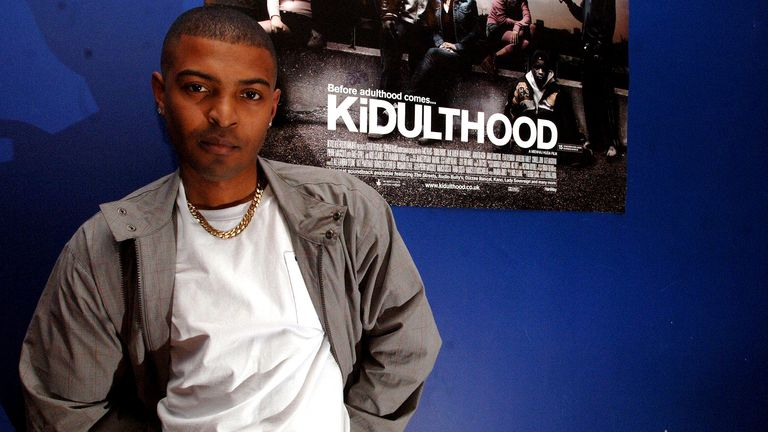
Actor and director Noel Clarke, who is most notably known for his ground-breaking film Kidulthood and his acting in Doctor Who, has lost his defamation lawsuit in the High Court against The Guardian in a very unfortunate way.
The lawsuit was about the newspaper’s publication of a series of sensational articles in April 2021, that revealed the sexual misconduct allegations from about 20 women who stated that they had met Clarke in a professional context.
The 49-year-old threw a counterblow, filing a defamation suit against them and strongly denying “any sexual misconduct or wrongdoing.” Nevertheless, a judge has now determined that Guardian News and Media (GNM) had achieved a successful result in their reporting. The court found that the newspaper’s defense was sound, declaring that their articles were in fact “truthful” and were “of public interest,” thus ending the legal battle in a decisive way.
A Damning Verdict and a Witness Deemed “Not Credible”
In fact, the decision made by the judge was a total annihilation of his side of the story rather than just a defeat, that is, a losing one for Noel Clarke; It was not simply the highlight of her summary of findings, Mrs Justice Steyn, in her words, she interpreted the gist of matters in all eight articles published by The Guardian as “substantially true.”
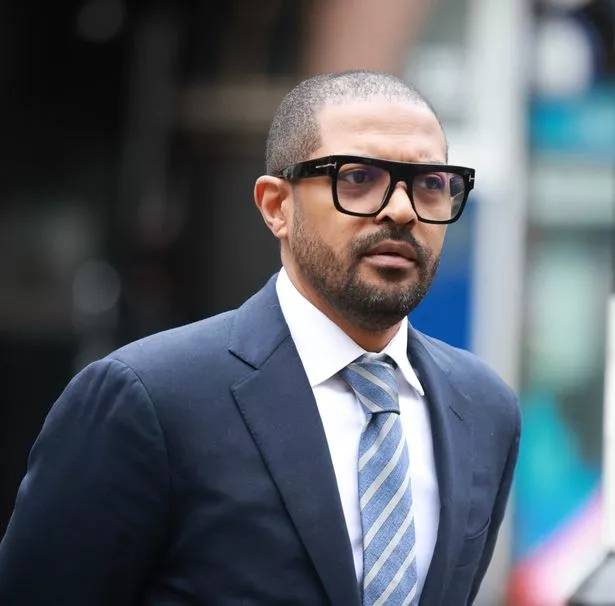
While she was at it, what Mrs Justice Steyn had to say about Clarke’s own evidence was very far from complimentary. “As far as I can see, the witnesses whom he calls upon to support his version of events may also be found to be less than wholly reliable,” she said, “I found him to be not credible or reliable as a whole when he was on the bench and in the courtroom.”
The judge also declined to entertain the idea of a conspiratorial plot against him. She deemed such a conspiracy narrative referred to the existence of over 20 witnesses that “none of whom are parties or have a stake in this case, as [Clarke] does,” and who would allegedly all turn up at the court and tell one and the same lie to be “inconceivably absurd” as per her judgment.
Her point was further elaborated by the events in question, which were not newly discovered by her and were isolated only by Clarke. She acknowledged that “extensive conversation has been going on around women about their experiences of working with Mr Clarke for a long time” based on the evidence presented to her.
A “Deserved Victory” for Courageous Women and Fearless Journalism
In response to the decision, Lucy Osborne and Sirin Kale, the two journalists who broke the story, stated that the verdict was a full and strong acquittal. Sky News was told by them that they had never doubted for a second the truth of their publications.
But, for Osborne, this win signifies the main thing beyond a single case. “I feel this is not an issue that will fade away,” she admitted, while recognizing that the telly and the film industry are still infested with such a scumbag. If this ruling raises women’s spirits to her, then her words are “the confidence to speak out regarding what they have experienced.”
Guardian editor-in-chief, Katharine Viner, also felt that sentiment strongly and said the decision “a deserved win for those women who had suffered from the misconduct of Noel Clarke.” Among them were more than 20 women who agreed to testify and Viner praised their “refusal to be bullied or intimidated” during the exhausting and difficult court proceedings.
Viner described the verdict as “a landmark decision for Guardian journalism, and for the British investigative journalism.” The judge’s decision was very clear in their inquiry as “thorough and fair”, hence, “a model of public interest journalism” was invoked by her.
“Overnight I Lost Everything”: Noel Clarke Reacts to Ruling
After the unfortunate judicial decision, Noel Clarke, reacting to the outcome, described the result as “disappointing” and went on to say that he still stood by his statement that the report in The Guardian was “inaccurate and damaging”.
Without blaming his perfect self, he still raised the issue of the vast difference between his personality and that of the characters correspondingly depicted in the articles. “I have never pretended to be perfect,” he said in a statement, “but I am not the person described in these articles.” He also indicated the effect of the accusations on both his life and career by one, very emotional, yet, very expressive phrase: “Overnight I lost everything.”
He phrased it as a thank you to those who were with him, a tribute to the witnesses who were on his side and, above all, to his family “who never ceased to believe in something worth fighting for”.
Inside the Courtroom: A “Smashed” Life and a Scapegoat Defense
The trial that was under way during a month from early March to early April 2025 was a deeply traumatic and personal experience. The court had testimonies from several women who had come forward bravely, and they had accused Clarke of a series of repulsive things. They claimed that he had thrown out pictures of them while they were naked that he did not consent to, had molested them and had, in some cases, asked them to watch him undressing.
When it was his turn, Clarke, on the stand, gave his version of events for more than one day. At a certain time, he became quite emotional, saying that The Guardian’s investigation had “smashed” his life totally.
His lawyer said that Clarke was put in the position of a “scapegoat,” an “easy target” who was at the very height of his success when the media industry “zealously” was trying to reverse its past sins due to the #MeToo movement.
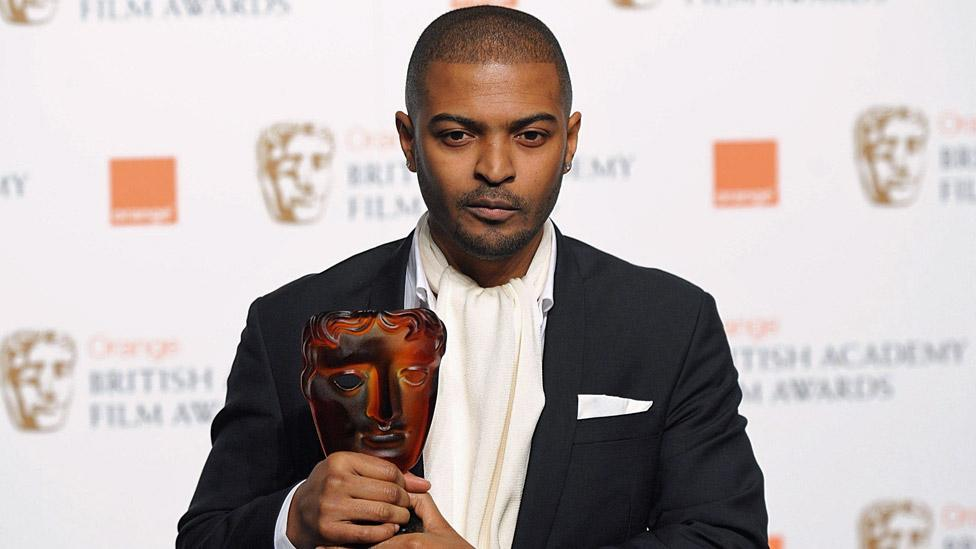
The timing was indeed very poetic; just a couple of weeks before the first article was published, Clarke had been commended by BAFTA, receiving the award for outstanding British contribution to cinema. After the rumors, BAFTA reacted by suspending his membership thus cutting off the way to the accolades he might receive further.
However, The Guardian’s legal crew described it differently, referring to their probe as “meticulous and detailed” and insisting it had been conducted “conscientiously” by the reporters.
Meanwhile, the police had decided in March 2022 that Clarke was not going to be subjected to a criminal investigation regarding the allegations, which was another aspect of the complicated narrative.