Culture
Patrick Mahomes suffered an ACL tear. A surgeon talks about the injury and recovery process: ‘Nobody is a superhuman’ (Exclusive)

Patrick Mahomes Suffers Knee Ligament Injuries and Has Surgery
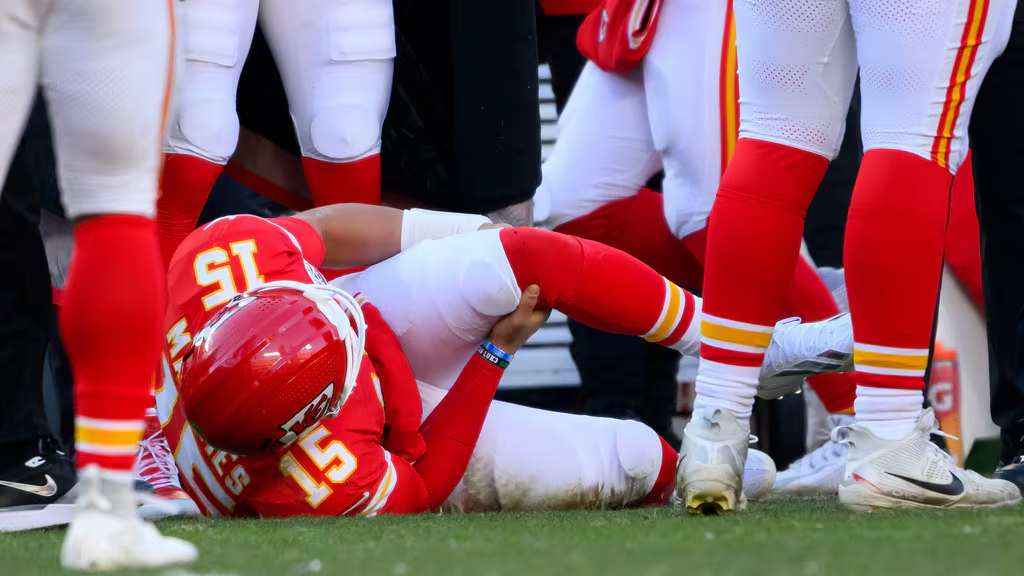
During the last two minutes of the Kansas City Chiefs game vs. the Los Angeles Chargers on Dec. 14, Patrick Mahomes suffered a left knee injury and subsequently fell on the ground in pain. An MRI scan revealed that the 30-year-old had torn his ACL.
The next day, Mahomes had an operation to fix the damage. The doctor’s report that this was also a LCL tear repair was confirmed by the media.
The ACL, or anterior cruciate ligament, and the LCL, or lateral collateral ligament, are major ligaments in the knee that provide stability and support.
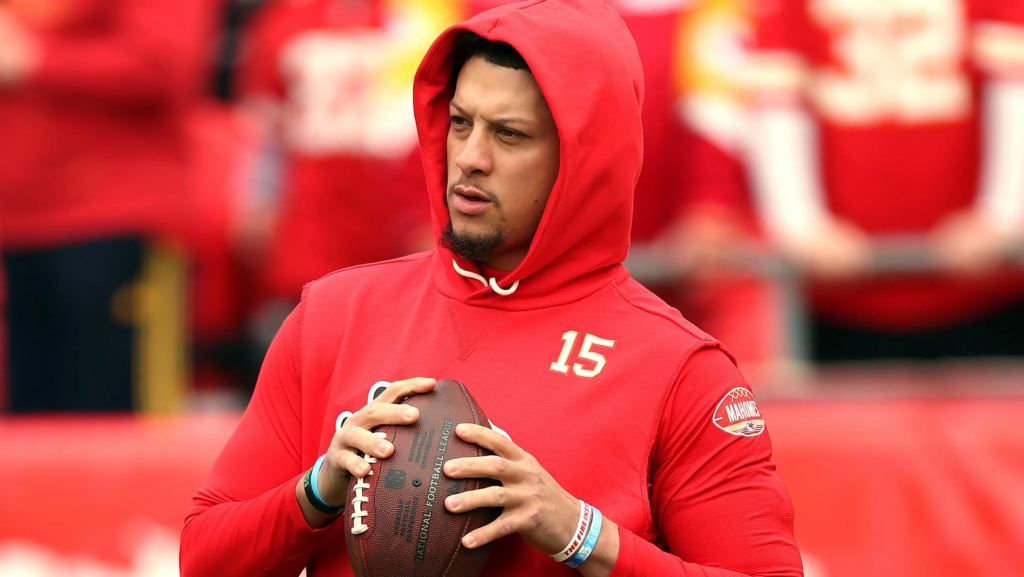
Orthopedic Specialist Gives Details on Patrick Mahomes’ Knee Injury & Recovery
In an interview with PEOPLE, Dr. Yair Kissin, vice chairman of the Department of Orthopedic Surgery at Hackensack University Medical Center, weighed in on Patrick Mahomes’ injury and shared his insights about the quarterback’s healing process.
He commented that a quick glance at the thrown-down moment might lead some to believe that it was a hand from the Chargers defensive lineman Da’Shawn along with the press that caused Mahomes’ injury, but it was in fact non-contact. Dr. Kissin further mentioned that the injury situation could be clarified by the fact that Mahomes’ leg might have been locked when the player tried to run away from the tackle hitting the ground.
Doctor Details How Patrick Mahomes’ ACL and LCL Were Injured
“A player was close however no one actually hit that knee,” Dr. Yair Kissin said in an interview with PEOPLE. “So probably the injury would be considered a non-contact one, that is how most ACL tears are happening. His foot is planted while the rest of his body is going in the movement direction and thus that is the very common mechanism of ACL injuries – especially for quarterbacks who are constantly changing directions.”
Dr. Kissin also mentions that the way Mahomes’ knee was positioned during that moment of the play contributed to the extra damage. “If you watch closely, you will be able to see his knee going outward,” he explains. “That movement of the knee also puts a lot of pressure on the LCL.”
It is totally reasonable to have an ACL and LCL tear together in this situation, according to Kissin.

Why the One Day Surgery for Mahomes’ ACL?
Dr. Kissin, who was not part of the Patrick Mahomes treatment team, explains that normally for athletes he would not perform an ACL operation earlier than one to two weeks after the injury. This delay is to let the swelling go down in the knee because if the joint is still very swollen and the doctor operates at this time, it acts like a “second trauma,” and recovery becomes longer and more difficult.
Yet, he points out that pro athletes work on a completely different timeline. Due to the enormous financial stakes and the necessity to be back in the game as soon as possible, top players are usually operated much earlier than the average patient. This is probably why Mahomes was operated on the day following the injury.
For Kissin, it is not early surgery that constitutes malpractice or wrong treatment in these situations. On the contrary, it is actually very common among the pros, as operating fairly quickly can lessen the body’s initial inflammatory response and overall recovery can be accelerated.
What Recovery Looks Like After Mahomes’ ACL Surgery
After an ACL tear and the consequent surgery, the typical recovery period is between nine and twelve months. Dr. Kissim points out that the rehab often starts with athletes being on crutches for four to six weeks, and then there is a major emphasis on getting the knee’s range of motion back in the first two to three months.
Later, patients start a regime of strengthening exercises and get back to gradually more intense and specific sports activities. Even though nine months is usually regarded as the minimum for getting back to play, Kissim mentions that Mahomes’ LCL alteration could potentially extend the timeline.
“Adding a second ligament injury, sometimes brings the necessity to check the patient’s overall alignment and how the LCL will react to weightbearing,” he states. “If the patient weights the leg too early, it can be detrimental to the LCL repair and even delay recovery. So, due to that, he might have to be on crutches for a longer period than usual.”
Why Mahomes’ Recovery Still Takes Time—Even With Elite Resources
According to Dr. Kissim, PEOPLE, Patrick Mahomes, with his access to state-of-the-art medical equipment, specialists, and training facilities, is in a way set up for a better recovery than an average patient coming out of ACL surgery.
Nonetheless, the surgeon points out that even top-tier athletes lead a recovery that is long and arduous, despite their good condition or being celebrities.
“No one is superhuman,” Kissim explains. “It might be our impression when we are watching them on TV, but having good health and athletic capabilities doesn’t guarantee fast healing.”
According to him, there is often a misunderstanding regarding the distinction between professional athletes and ordinary people. “At times, we perceive athletes as superhuman, but in reality, they’re just regular humans like the rest of us,” he says. “Professional athletes may have a higher level of motivation and work ethic, but their general recovery period might be quite similar to that of the average person.”