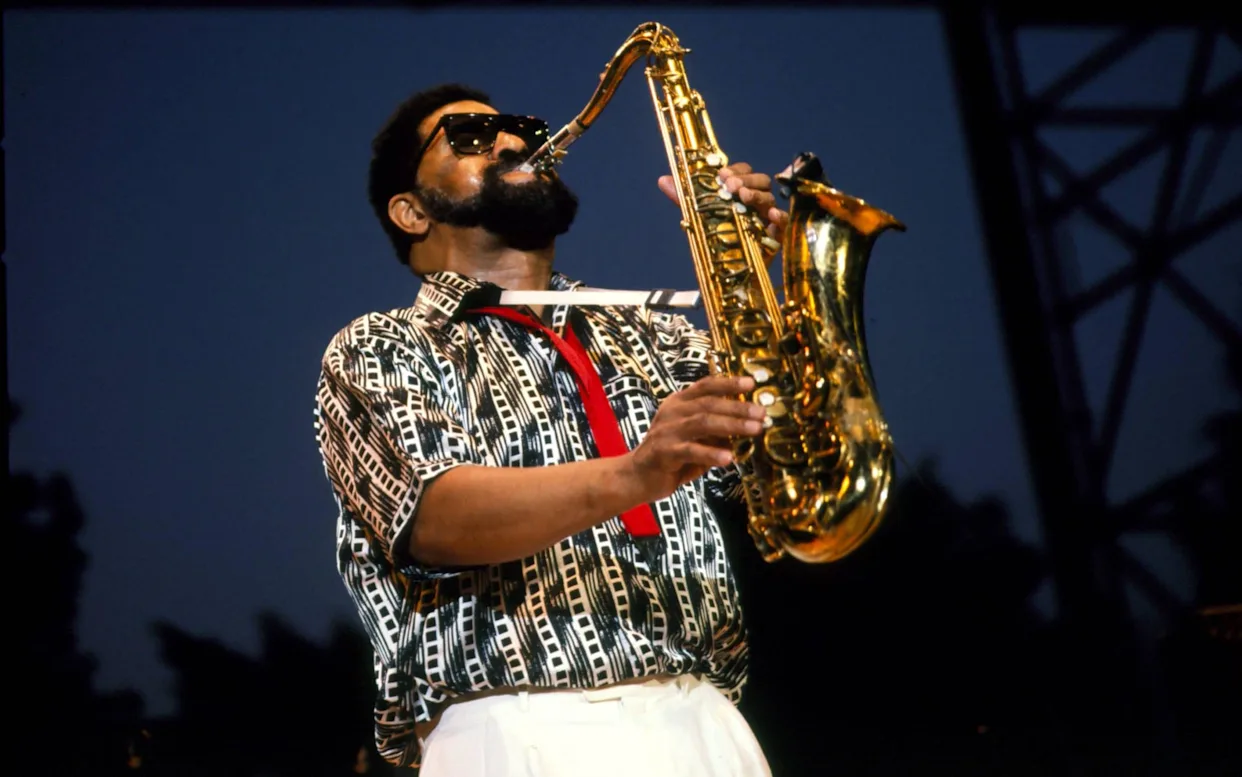

Sonny Rollins’ family announced his death on their social media accounts but did not reveal the cause. Forming his style from the bebop era during sessions with the genre’s legends, he later rose as an equal to the jazz giants such as John Coltrane. Coltrane and Rollins together on the 1956 recording of Tenor Madness is a very remarkable jazz record, which they jointly made.
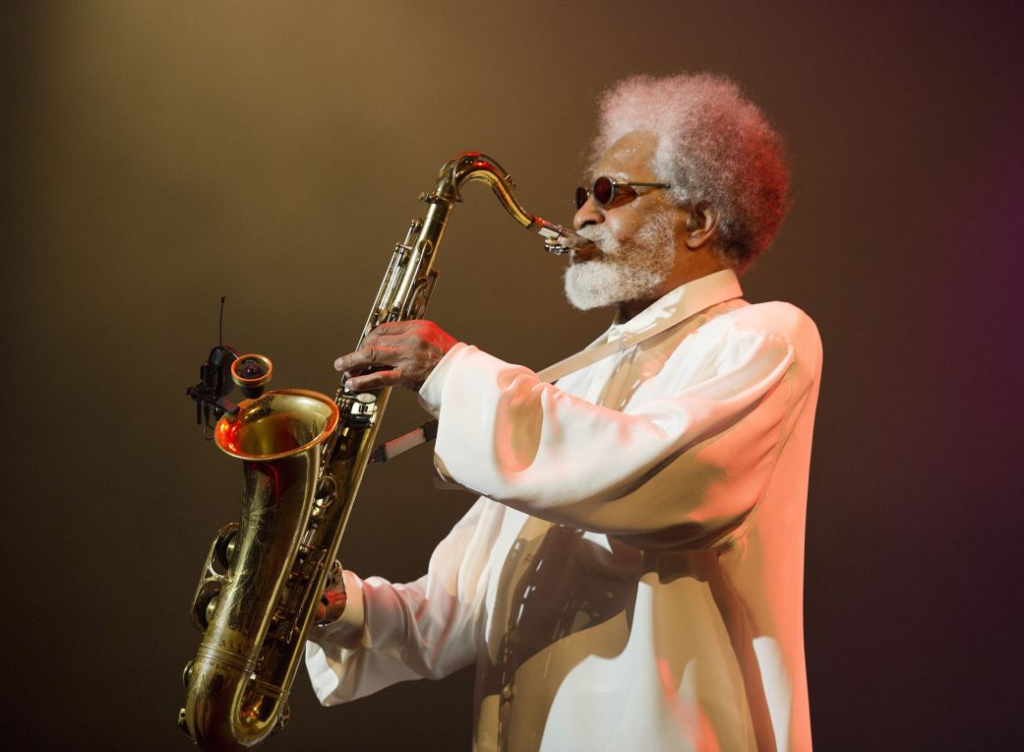
Sonny Rollins Remembered as One of Jazz’s Most Original Visionaries
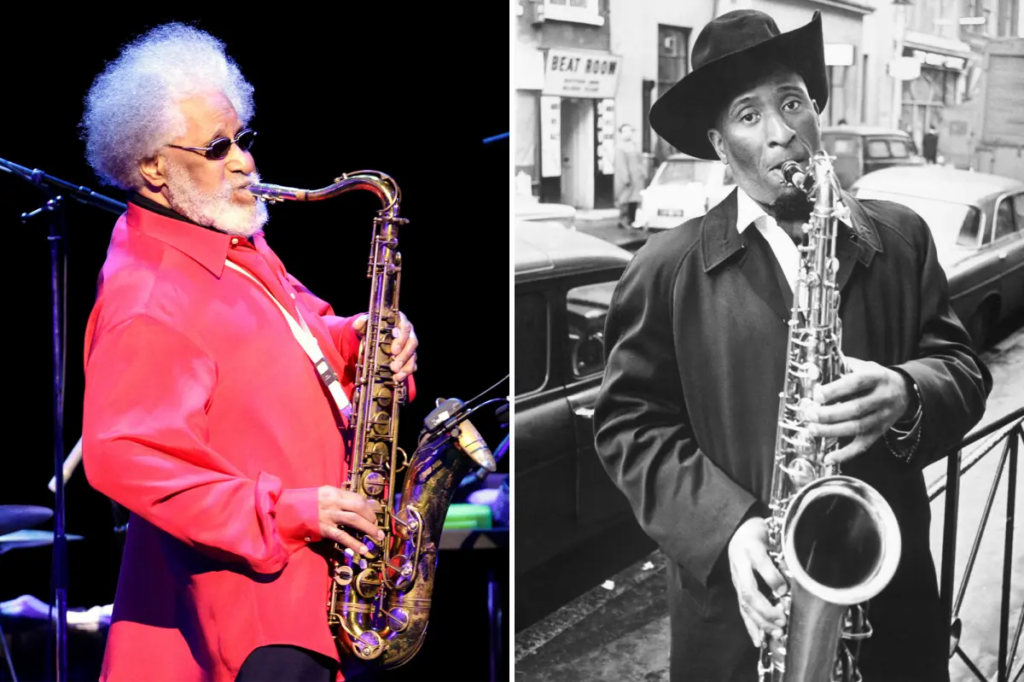
In the 1960s, Rollins wore a Mohawk years before it became a punk look. Even at the peak of his fame, he walked away from recording and performing twice, vanishing from the scene for stretches. That didn’t change how people saw him, he was still regarded as one of jazz’s most powerful creative minds.
Sonny Rollins Rose From Harlem Prodigy to Jazz Legend
First, he began with piano, then he changed to alto sax. But after listening to his idol and neighbor Coleman Hawkins who was a tenor sax player, he decided to play tenor sax for the rest of his life. At Benjamin Franklin High School in East Harlem, Rollins was already playing with future jazz legends Jackie McLean, Kenny Drew, and Art Taylor when learning the ropes of his instrument. One of the musicians he got to know through a classmate was Thelonious Monk. The writing style of this eccentric genius of music made a huge impact on Rollins’ own style for a long time. Only 18 years old, Sonny was already stepping onto the studio floor as a recording artist under the Prestige Records label in 1949 with a side of the J.J. Johnson-led band.
The speeding of his career followed suit as he sat down to record with major jazz musicians of that period, like Bud Powell, the Modern Jazz Quartet, Monk, and Miles Davis. During a revolutionary 1954 session, Davis recorded three of the young saxophonist’s original pieces that would help firmly establish Rollins’ soaring reputation in the jazz scene.
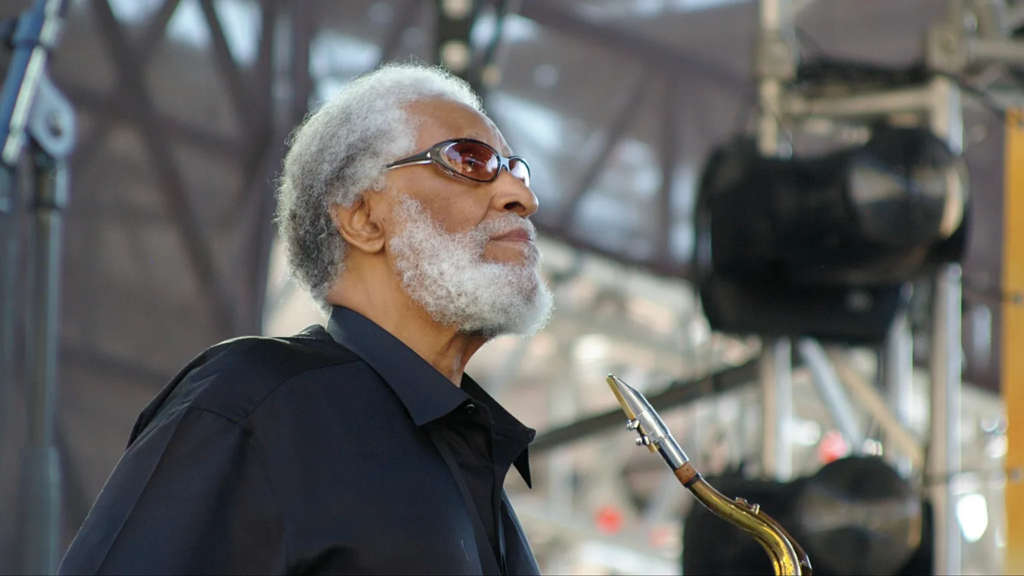
Sonny Rollins overcame heroin addiction early in his jazz career.
Although Rollins’s early records with some of the biggest names in hard bop gained him much admiration, he was still battling with heroin addiction in the early 1950s.
Just like many young jazz musicians of that era, Rollins admired Charlie Parker and eventually got tangled up in the drug habit that led to the decline of numerous performers.
Sonny Rollins became one of the giants of jazz.
Roach was later on the one who collaborated again with Rollins on the Prestige Records sessions. By 1956, Rollins had become more than ever a prominent bandleader and a creative artist. He got down the Tenor Madness record on Prestige, which was one of the most influential jazz albums that year. The record featured the remarkable piece of title-track confrontation between Rollins and John Coltrane, the other saxophone icon.
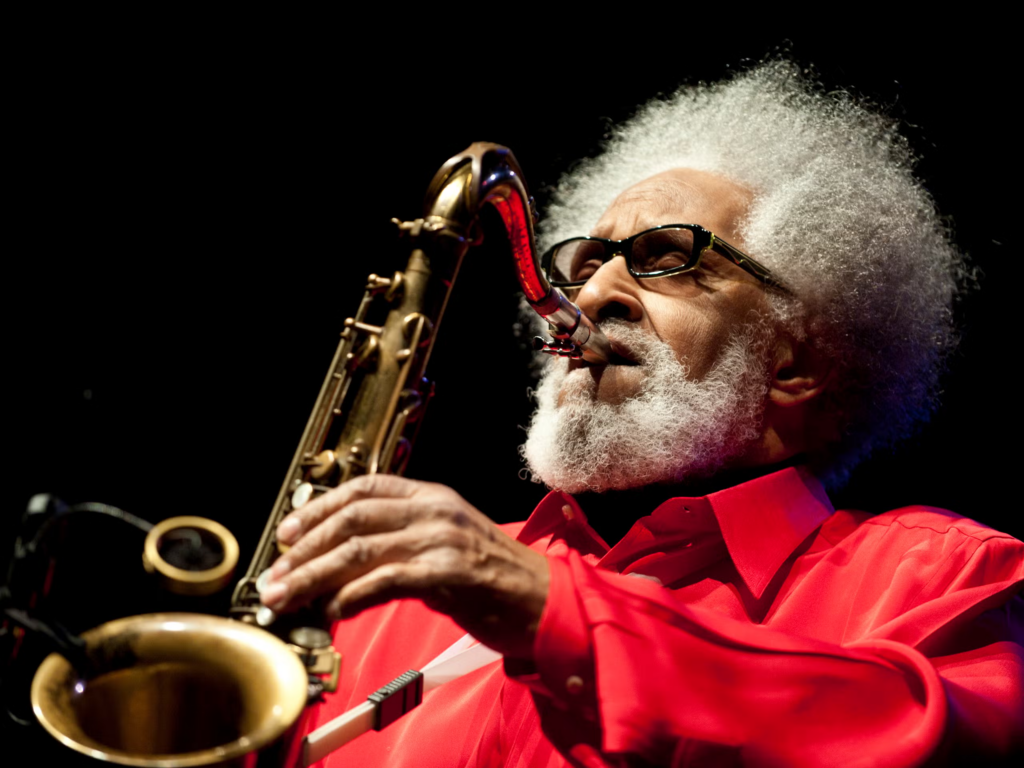
In fact, the preparation of the album Saxophone Colossus was on the go at the same time. It is a record that almost all jazz fans would agree is one of the greatest albums jazz has ever seen, and it consists of a long blues improvisation, Blue 7, which was described by Gunther Schuller, Martin Williams, and other jazz critics as a great jazz milestone.
At about the same time, Rollins was also making records for Blue Note, and his fame was getting to him with A Night at the Village Vanguard, the highly praised live recordings of the saxophonist leading energetic trio performances in the renowned New York jazz club in November 1957 that to this day fans continue to talk about.
Sonny Rollins takes a Break From Fame and utilizes the Bridges of New York City to a new path
As Sonny Rollins’ fame was on the rise during the late 1950s, he not only doubled his recording activities with Prestige and Blue Note but also made recordings for the rest of the West Coast, including Riverside Records and Contemporary Records, which are some of the most influential labels.
Most notably, his album appearances on Thelonious Monk’s highly praised 1956 record Brilliant Corners and on the stirring vocal trio record, Freedom Suite, was Rollins’ contribution for Riverside. Almost concurrently, Rollins put out two very well praised records for Contemporary Records, Way Out West and Sonny Rollins Meets the Contemporary Leaders. The latter is an album that features collaborations with top California jazz musicians including guitarist Barney Kessel and pianist Hampton Hawes.
Rollins became disenchanted with the continuous attention that his success brought him, even though he was continually gaining popularity. He stopped performing and recording for almost three years after those recordings. While on his break, Rollins was developing himself by practicing and preparing. Contemporary reports described that he was frequently heard playing solo saxophone on New York City’s Williamsburg Bridge, a very momentous event in the history of jazz that epitomized his attempt to attain artistic excellence without public scrutiny.
He reflected that practicing on the Williamsburg Bridge “gave perspective.”
It is widely known, as a matter of fact, that during his break from the public, Sonny Rollins not only played his saxophone on the Williamsburg Bridge in New York City but also said that it was “a wonderful place to practice,” which gave him “perspective.”
When he came back from the hiatus, Rollins signed an extremely rare major label deal with RCA Records and released the critically acclaimed The Bridge and What’s New? albums in 1962, both of which had guitarist Jim Hall and bassist Bob Cranshaw. His comeback was also a sign of the influence of jazz greats like John Coltrane and Ornette Coleman, especially through his live album Our Man in Jazz.
Sonny Rollins Eventually Dropped Free Jazz and Took Another Break
Rolling stones, even for small periods, change their tune. Sonny Rollins, who had experienced a brief stay in the land of free jazz, even collaborating with Ornette Coleman, very soon came back to the old jazz stuff. His mainly standards- and bebop classics-based projects, as well as his recordings with Coleman Hawkins, were the main evidence of his turning back to the traditional jazz side.
In addition to that, his later stage for Impulse! Records was the critically successful 1966 album Alfie, which was based upon music he wrote for the Michael Caine movie of the same title.
After that, Rollins fell off the radar for another six years in order to engage fully in meditation and Eastern spirituality. Rollins returned in 1972, beginning a long association with Milestone Records that would last for years.
Rollins Wins Grammy for Rolling Stones Collaboration in Late Career
In 1986, documentarian Robert Mugge released Saxophone Colossus, a film that looked at Rollins’ life and his lasting impact on jazz. Rollins also picked up two Grammys late in life, including one for his collaboration with the Rolling Stones. In 2000, his album This Is What I Do received the Grammy for best jazz instrumental album. He also won the Grammy for Best Jazz Instrumental Solo for his recording of the piece “Why Was I Born?” from the live LP Without a Song.
Sonny Rollins Evacuated from Near World Trade Tower on 9/11
During the 9/11 incident, Rollins got short fame when CNN showed him being evacuated from his apartment very close to the World Trade Center, saxophone in hand. Commentators on television failed to recognize the jazz legend; however, lots of viewers identified him immediately.
In a 2021 chat with Variety, Rollins revisited the event and said that initially he heard “a big pow” and then after a moment he could comprehend disaster. “I was livin’ on the top floor, I guess the 39th, and went downstairs, there was the whole of the street full of people, in shock and watching the scene, ” he said. “Suddenly very tiny things like snowflakes were falling it was really some toxic stuff coming from the buildings.”
Sonny Said That Music Was A Means Of Restoring “Sanity” After 9/11
According to Rollins in his interview with Variety in 2021, “The day following the attack, when we were evacuated, I had my horn with me. I think people were giving me a weird look. ‘And here I am, the beret guy with a saxophone. ” Almost a week later, Rollins was seriously considering postponing his concert in Boston due to the shock and aftereffects of the attack as well as the physical exertion of having to go down 39 flights of stairs during the evacuation. His wife, however, convinced him to go on stage.
“And actually, I am glad that she convinced me,” “” he noted, adding that the show, which was the platform where many New Yorkers came to him for support, turned out to be a healing experience. “In fact, I think we more or less managed to restore a bit of sanity amidst the chaos.”
He Started Doxy Records and Then Replied to New Yorker Viral Satire
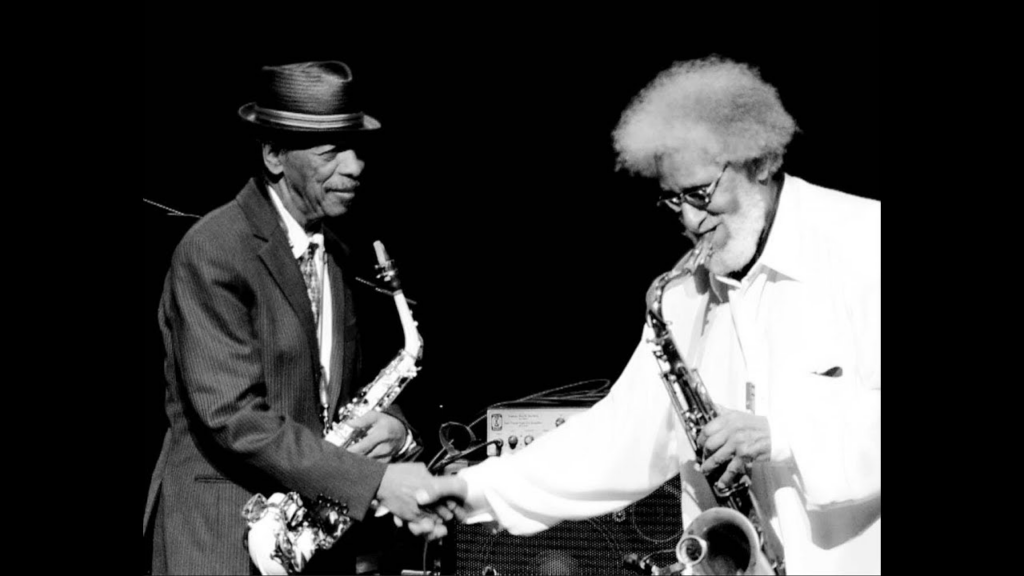
In 2008, Sonny Rollins founded a new label called Doxy Records, which came out with records of several live performances, including a collaboration with jazz legend Ornette Coleman. Rollins became the subject of news unexpectedly again in 2014 when The New Yorker published a fake “Shouts & Murmurs” piece containing fabricated quotes that criticized jazz and jazz culture.
The satirical article was not explicitly presented as a joke online initially, and it generated a lot of backlash from the jazz community. The magazine later admitted it was meant as humor and apologized. In a video chat from home, Rollins called the piece “scurrilous” and joked that it felt like something out of Mad magazine—which he admitted he actually enjoyed reading.
Rollins stayed in the spotlight for a long time after his departure from the stage
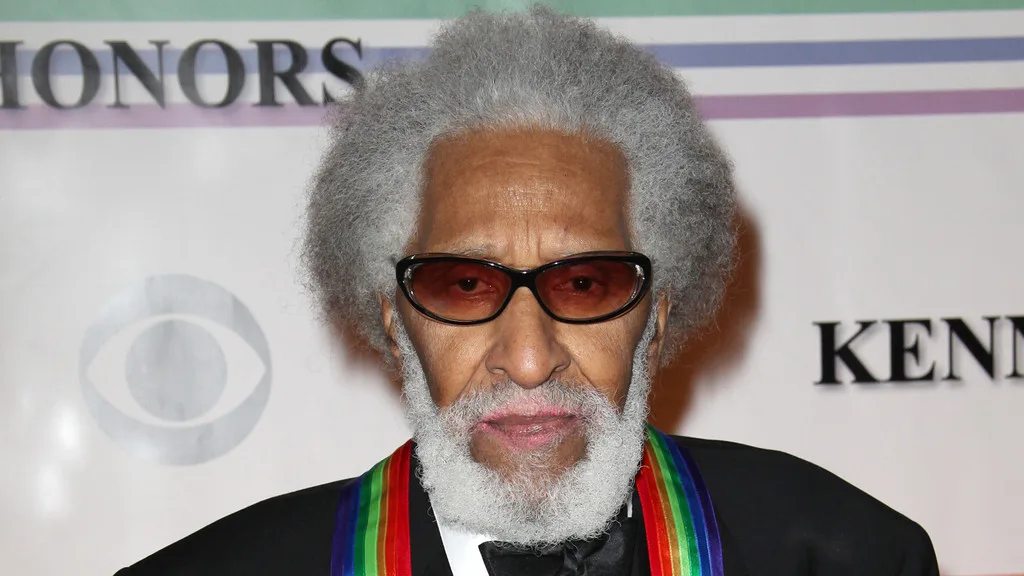
Despite retirement, Rollins’ public visibility did not decline; in fact, he did a voice-over for himself in a 2013 Simpsons cartoon along with Tony Bennett, and the awards just kept arriving. He was one of the very few jazz musicians who were awarded the prestigious Kennedy Center Honors, and Juilliard gave him an honorary degree one of the highlights of his lifetime achievements. Being presented with the National Medal of Arts by President Obama also rank among the major highlights of his career. His 1962 record, The Bridge, also made it into the Grammy Hall of Fame in 2015. And just last year, he sold his catalog and recordings to Reservoir Media. The financial terms weren’t disclosed.
Sonny Rollins Remembered After Passing at 95
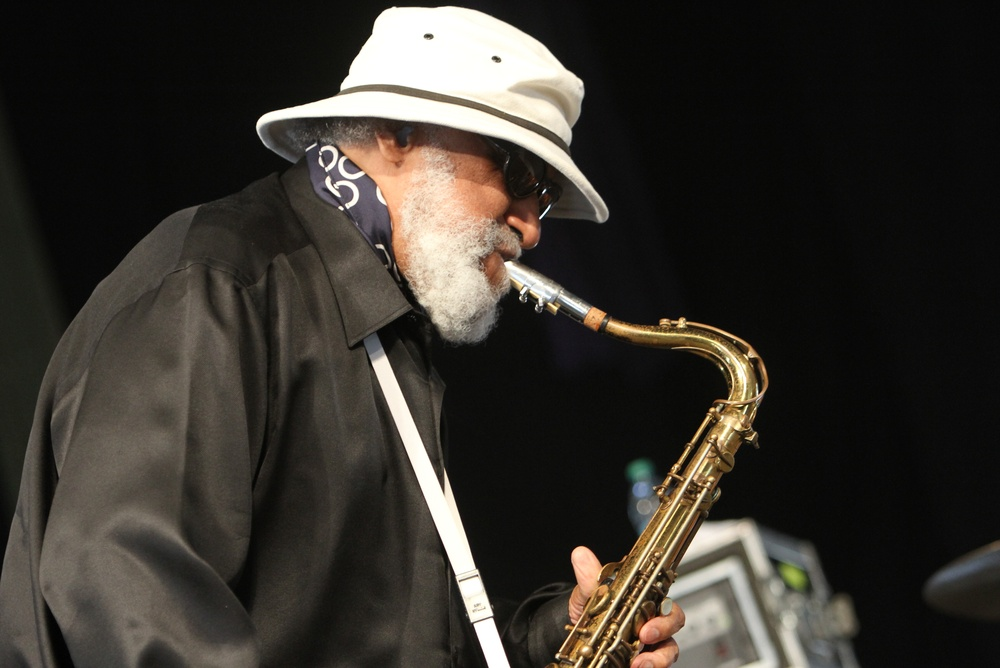
Jazz giant Sonny Rollins leaves behind his nephew Clifton Anderson and two nieces, Vallyn Anderson and Gabrielle DeGroat. In 2004, he lost his second wife Lucille, to whom he had been married for almost 40 years. They have not yet decided to do a public memorial service, they said.
In a 2009 interview, Rollins revealed that when asked about his life and religious beliefs, he said that he believed that artistic talents are still there even after the physical death. “I suppose that after the artist dies, his spirit continues in the next life,” he said. “A person with a strong faith wouldn’t feel like that.”