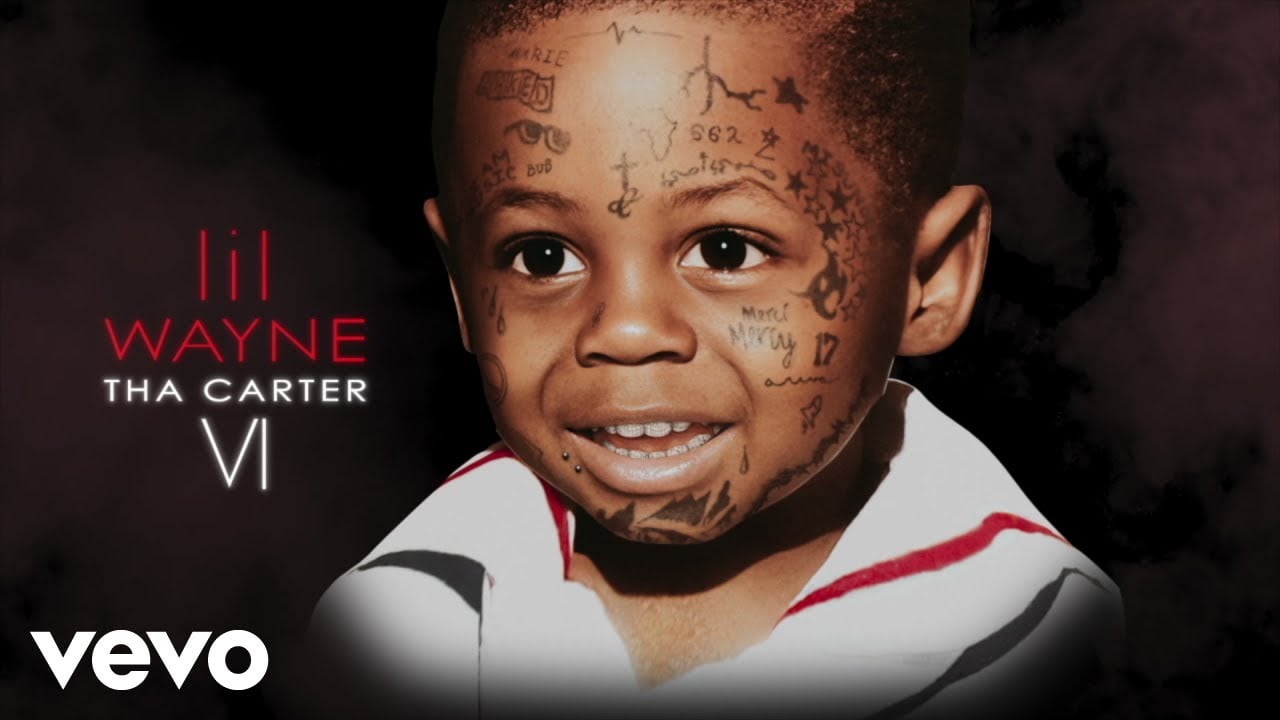

Lil Wayne’s Uncertain Path: An Album Trapped Between Times
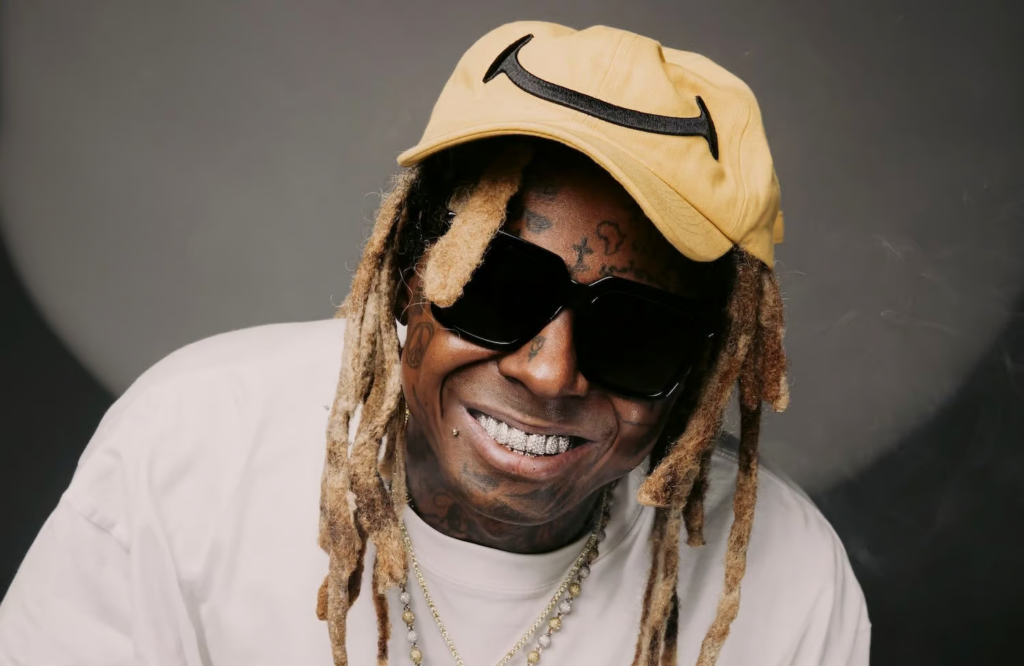
However, right now, Lil Wayne seems caught in a difficult position. Importantly, the music industry and even the rap genre itself are clearly moving forward, but he appears to be struggling to match that pace. Consequently, his newest album feels confusing and stuck. It feels like a torn between various eras, attempting to cater to both die-hard as well as fresh fans, and at the same time, handling the stress of what the public thinks of him now and what he used to stand for. Altogether, this conflicting stance is what gives the project an impression of being in an abyss between various epochs, communities, and mindsets.
Meanwhile, the journey towards the 2025 Super Bowl was filled with both high hopes and deep letdowns. This experience has certainly left the executives at his record label scratching their heads. Specifically, they are puzzling over a major challenge: how can they possibly make Lil Wayne’s frequent, crude jokes about women (“pussy punchlines”) acceptable to a wider audience? To be candid, in most instances, these lyrics appear to be targeted at children who might barely understand basic human biology at school. Also, since the 2025 Super Bowl really occurred in Lil Wayne’s very own New Orleans, the platform was the most fitting for his return. It was definitely the right time to celebrate Cash Money Records’ grand history, as well as his commercial successes, strong influence on music, and evergreen legacy. However, he did not have his crowning moment at that time.
Performance Problems and Past Glory
Moreover, lately, the career of Lil Wayne hasn’t been an easy passage. His extraordinary talent and established reputation act as a double edged sword are both a blessing and a burden. To illustrate, even though he is making lots of music, live performances often don’t go as planned since he can’t recall the lyrics and needs a lot of prompting. Furthermore, his punctuality attitude augments the problem, more so when he started late for the Madison Square Garden event.
It seems like the artist thinks his many previous successes make it okay for him to be two hours late for a music festival, where he would then expect the audience to give him a warm welcome. Does he genuinely believe that his millennial fans, eager to hear deep cuts from his classic mixtapes, actually value experiencing his showmanship more than getting a decent night’s sleep before work or school? Probably not.
A Decade of Mixed Results
Now, all these specific issues about performances and lyrics are important, but they really just set the stage for understanding the bigger picture of Lil Wayne’s recent career. Most significantly, looking back at the past ten years, the balance between his truly great songs and his disappointing misses is almost perfectly even. Basically, for every hit, there’s been a comparable flop. Therefore, when he finally releases a new chapter in the highly respected The Carter album series – undeniably one of hip hop’s most praised collections – it lands with extra weight. This new project strongly feels like an effort to make up for the disappointments and setbacks he faced over the last year or so, especially his failed hope of gracing the Super Bowl stage.
Ultimately, Wayne seems to be an artist fighting hard to break free from the specific story that hip-hop history has written for him. He clearly wants to translate his success and skills for a much larger, mainstream audience. Yet, here lies the core problem: this wider audience often only acknowledges Eminem as the supposed “Greatest Rapper of All Time.” Why? Simply because, for many in that broader group, Eminem is frequently the only rapper they truly know or recognize at that level. It is an extremely hard fight for Lil Wayne to achieve his dream. His latest album, being at the crossroads of memory, downfall, and ambition, personifies the harshness of this conflict.
Lil Wayne’s Missed Maturity Opportunity
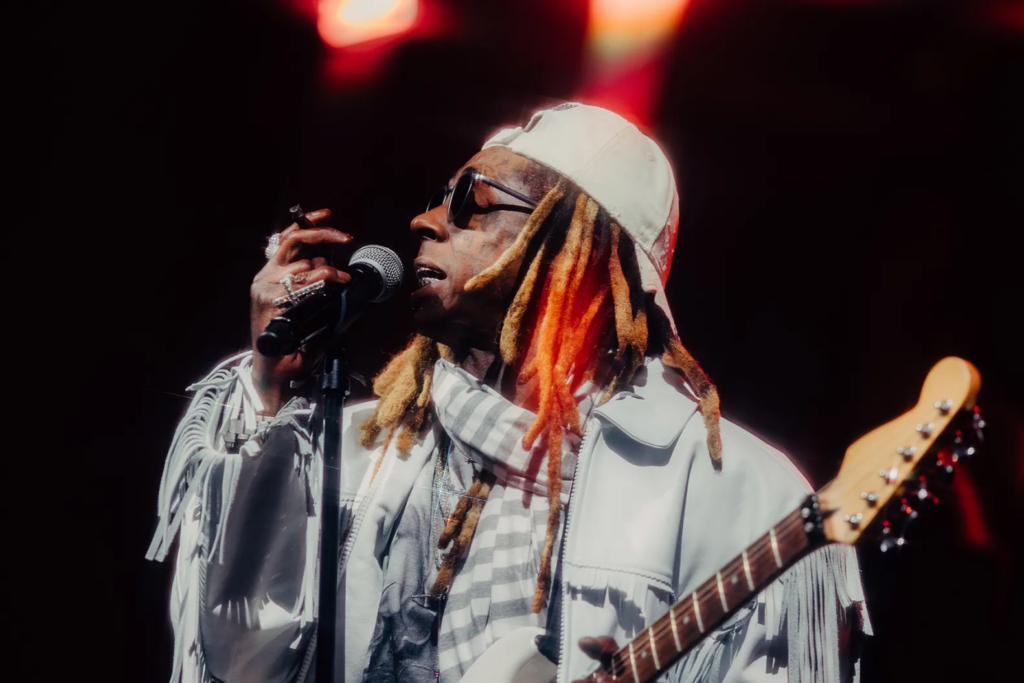
Now in his 40s, there logically should be a much stronger desire within Lil Wayne to discover his deeper truth as a respected elder statesman within hip-hop culture. This expected evolution would naturally mirror the profound personal and artistic journeys we have clearly witnessed from iconic figures like Nas and Jay-Z throughout the past decade. Essentially, listeners reasonably hope for just a moment or two within his music that genuinely reflects how the complex dynamics of his current age and vast experience interact meaningfully with the world surrounding him today. However, frustratingly, it still feels entirely like Wayne’s World – fundamentally, only the number next to the album title Tha Carter has actually changed, signifying little real growth in perspective.
Production Choices & Signature Style
Meanwhile, there is admittedly more noticeable intention behind some of the early production choices on this album, particularly concerning the tracks “King Carter” and the intro, “Welcome to Tha Carter.” The intro mostly indicates a distinct kind of cathartic release, and of course, the easygoing attitude of the rapper. This, moreover, in the typical Lil Wayne manner, is proceeding fast and lively, balanced by punchy wordplay, clever rhyming, and a humorous, often confusing attitude. As a result, these lines painted an image of a medicine cabinet that is full of different items as well as a brothel with lots of pleasures – the two elements that have been famous for his never-ending career span of over 30 years.
Lyrical Glimpses & Grand Arrival
Specifically, within his verses, he rapidly pings between relatable anxieties like owing significant taxes and the opulent reality of living in concierge-serviced mansions, often within the very same breath. This lyrical contrast, at the very least, successfully prevents the music from sounding like some forgotten, dusty record pulled straight out of the vault and carelessly placed into the sequence; it actually offers brief, valuable reflections on genuine struggles he has demonstrably faced in recent times. For instance, he pointedly raps, “I know the feds’ cameras observe ’cause the cash is absurd / I mean, the house so fuckin’ massive, I just added a concierge,” directly addressing the scrutiny accompanying his wealth. Finally, tying this entire elaborate introduction together is the contribution of Angel Aponte, who effectively leads the supporting choral ensemble, thereby allowing for Lil Wayne’s characteristically grandiose musical entrance.
The Album’s Lost Momentum
However, despite how completely absorbing that grand entrance feels, the powerful energy it creates unfortunately doesn’t last throughout the entire album. Instead, Tha Carter VI gradually becomes a confusing mess, revealing a very unclear ambition. It seems uncertain whether Wayne truly wants to revisit his greatest past successes, firmly establish this as a defining legacy project, build a musical bridge connecting Gen Alpha listeners with their grandparents, or test crossover styles again. This last goal is particularly puzzling, especially since he apparently didn’t learn enough from his difficult experience touring with the rock band Blink-182 after the previous Tha Carter album came out. Crucially, each of these different goals actively fights against the others rather than blending together smoothly into one clear, powerful vision for the album.
Questionable Musical Experiments
Regarding that attempt at crossing over into different musical styles, songs like “Island Holiday,” which is a poorly executed version of Weezer’s “Island in the Sun,” and “If I Played Guitar,” sound alarmingly like unused tracks from Lil Wayne’s widely criticized rock album, Rebirth. Considering the terrible outcome of that earlier rock project—and the strong feeling many fans have that it should have been locked away forever—it makes you seriously wonder which person working inside the Republic Records or Young Money offices actually approved including these songs. This question becomes even more urgent when you hear “Peanuts N Elephants,” a weird, cartoonishly bad song produced by Hamilton‘s Lin-Manuel Miranda. Honestly, this track sounds like it belongs in the background of a video game released before the very first PlayStation console even existed, not on a major Lil Wayne album in 2025.
Executive Decisions Over Quality
Yet, circling back to the executives involved, it becomes painfully obvious that simply using the famous Carter name carries far more weight for them than ensuring the actual quality of the music being released. The obsession with image rather than what is inside is exactly revealed by the artificial musical collaboration of U2’s Bono on the song “The Days.” His part seems so out of place and feels as unnatural as when U2’s album Songs Of Innocence suddenly ended up on everybody’s Apple devices without their consent a few years ago.
Still, this track has some of the most valuable and confessional verses of Wayne’s belonging to the earlier period, and finally, he is open about his feelings as he talks about America, getting older, and death. Nonetheless, the sincerity and the exposure of these comments affect the track’s highly glossy and sleek character, and this, in turn, makes the seriousness of those lines inaudible.
Generational Bridge Through Family
Despite the numerous shortcomings found across the album’s full 19 songs, the most genuinely forward-thinking and contemporary moments surprisingly arrive thanks to the direct involvement of Lil Wayne’s own sons, Kameron Carter and Lil Novi. Furthermore, based on my experiences interviewing the sons of established artists like Jim Jones and Busta Rhymes over recent years, I’ve realized a common pattern: veteran rappers often seem completely checked out from the current rap scene as soon as they receive their payment. They generally show very little interest, or perhaps simply lack the time, to actively discover and understand the next wave of rising talent. Consequently, it’s typically their own children who step in, essentially helping these established figures keep a genuine ear tuned to what’s actually happening on the streets and in the clubs.
Nostalgic SoundCloud Throwback
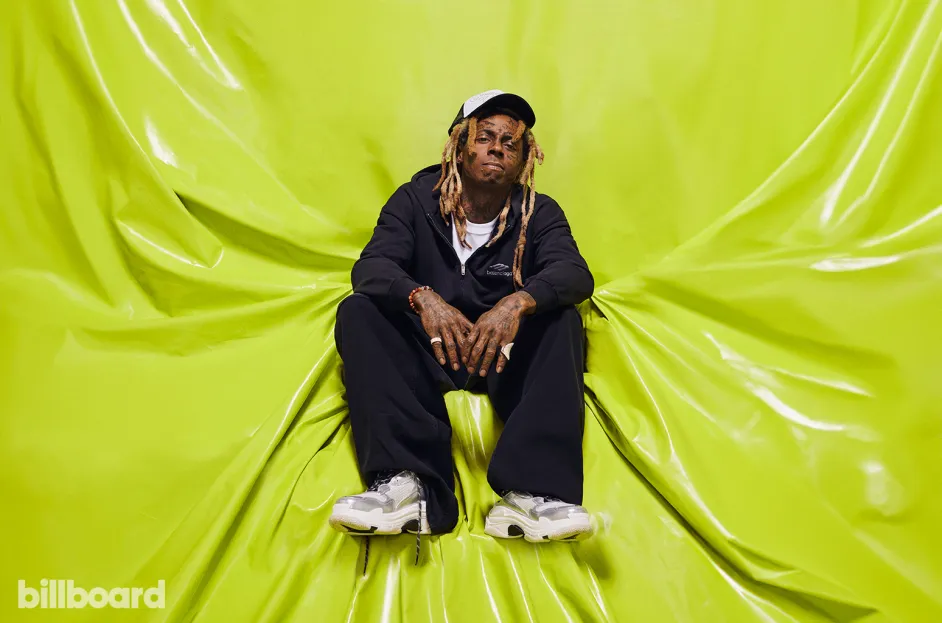
Specifically, the track “Rari,” featuring Kameron Carter, truly sounds like a direct flashback to the explosive peak of SoundCloud rap back in 2016. Sonically, it delivers a vibey, deliberately rough-around-the-edges, DIY-leaning bop. Moreover, this song feels much more appropriate to simply run in the background while playing a video game like Call of Duty, rather than being something listeners would deliberately choose to revisit later for its own artistic merit – unless, perhaps, they were under the influence of certain substances. Therefore, its appeal is largely situational and atmospheric, not deeply engaging on repeated listens.
Meanwhile, another track, “Mula Coming In,” features Young Money’s newest signee, described as the Carter household’s resident Playboi Carti superfan. Similarly, this song distinctly feels like it belongs within the foundational building blocks of the current underground soundscape that emerged a few years prior. Importantly, neither “Rari” nor “Mula Coming In” is necessarily a terrible song on their own. However, there is definitely a right time and a right place for everything within the context of a major album release.
Consequently, it feels strongly like both of these particular songs would have been significantly better suited for placement on the upcoming Young Money Records compilation album. Instead, their inclusion here unfortunately infringes upon, and ultimately undermines, their father Lil Wayne’s own attempt to salvage his personal and professional narrative – a narrative that has been actively working against him throughout the entire past year. This clash disrupts the album’s potential coherence.
Standout Tracks Shine Through
If much of Tha Carter VI feels clouded by confusion and unclear direction, a few important tracks still manage to powerfully cut through the haze. Furthermore, these songs successfully deliver the unique kind of magic that only Lil Wayne can truly create. For instance, “Hip-Hop,” featuring BigXthaPlug and Jay Jones, genuinely feels like a brilliant flash-in-the-pan moment showcasing Wayne’s legendary hitmaking prowess. Specifically, his odd vocal inflections and clever wordplay create a truly magical pairing with the beat and the featured artists, reminding listeners of his special talent.
Then, moving to another highlight, there’s “Cotton Candy” featuring 2 Chainz. This track immediately strikes that magnetic, effortless chemistry the two rappers famously share whenever they collaborate on record. Consequently, amidst a sea of largely skip-worthy records filling the album, both “Hip-Hop” and “Cotton Candy” feel particularly welcome and refreshing. They stand out as moments where Wayne’s core strengths are fully on display and working effectively.
Effective Nostalgic Touches
However, beyond these collaborations, there are other significant moments where Lil Wayne’s strong penchant for nostalgia actually works far better than the previously mentioned, poorly received Weezer cover. In fact, now in his 40s, songs like “Bells” and the Mannie Fresh-produced “Bein Myself” feel like the most appropriate and well-executed attempts to deliberately reach for that nostalgic factor on the entire album. They connect with the past in a way that feels natural and earned.
Focusing first on “Bells,” this song is actually a new rendition of the original LL Cool J classic. Importantly, Wayne brings a modernized twist to it, using heavy, looming 808s to anchor the verses, which he then rips through with his signature energy and flow. The track “Bein’ Myself” specifically produced by Mannie Fresh, a record producer famous for his hoarse and earthy style, presents a soulful and down-to-earth sound. In fact, it is mind blowing to see such a harmonious blend of two titans; evidently, both of them are as artistically active as they used to be back then, despite having collaborated much less than fans would have liked.
Lost Future Direction
The biggest problem with Tha Carter VI is that it leaves listeners with very little genuine curiosity about where Lil Wayne might possibly go next musically. For an album specifically created to strengthen one of the most celebrated legacies in all of American music, there’s surprisingly nothing within this entire project that truly captures the wildly unpredictable brilliance, the wonderfully zany energy, or the completely unorthodox, free-flowing song structures that originally made his bold claim to being the “Greatest Rapper Alive” actually feel believable and earned back in the day. This absence creates a noticeable void.
Furthermore, these days, we consistently see Lil Wayne stuck in an undeniably awkward middle phase of his long career. On one side, social media platforms like Twitter have effectively worked to downsize his legacy, publicly debating whether he’s even worthy of a Super Bowl Halftime Show slot anymore. Meanwhile, in sharp contrast, large parts of the music industry itself still actively place him high up on a pedestal, treating him reverently as hip-hop’s eternal Golden Child. This split perception highlights a confusing tension surrounding his current status.
Final Song’s Poignant Impact
However, that exact tension and contradiction are precisely what makes the album’s final song, “Written History,” stand out as remarkably effective. Importantly, in moments like this – similar to his standout verse on DJ Khaled’s “God Did” – Wayne thoughtfully and rightfully reflects on the sheer scale and transcendence of his own legacy. Moreover, he powerfully demonstrates how his personal journey deeply mirrors practically every significant development and faction within the entire history of hip-hop music itself. It’s a moment of earned perspective.
Therefore, Wayne is a complete GOAT (Greatest of All Time) contender just on the strength of his enormous achievements in the past and the corresponding impact. Nonetheless, the albums, including Tha Carter VI, fail to actually make the majority of people believe the incredible statements he made on the immortal records, such as Tha Carter II or Dedication 2, still have that same immeasurable weight and power without the need for questions. Critically, there’s a clear lack of the burning ambition and intense hunger needed to actively fight for and retain that top throne position. Yet, there remains a certain quiet satisfaction in knowing that Lil Wayne himself seems to find real peace and solace simply by continuing to exist comfortably within the vast, ever-changing ecosystem of hip-hop – a world he played a fundamental role in creating and shaping over decades.