
Joan Branson Died From Treatable “Massive” Blood Clot
An inquiry heard that a doctor could have saved Joan Branson if he had given her ‘massive’ blood clot medication in one of her lungs. Sir Richard Branson’s wife, the former Lady Joan Branson, was in hospital when she died aged 80, a day after a complication from her back that she had not realized at the time.
The cause of her death as determined by the Westminster coroner’s court was a serious illness called pulmonary embolism (a sudden and harmful blockage of a lung artery) that was a consequence of deep vein thrombosis.
Lady Branson was taken to The Lister Hospital in Chelsea on the 17th of November following a fall at the family’s luxury Necker Island house, which is also the business of her millionaire husband. The lady, 80, had a history of clots since 2018, and during flights and her previous hospitalizations, she had been given anti-clot injections.
Lack Of Enoxaparin Injections “Contributed” To Joan Branson’s Death
Professor Fiona Wilcox, senior coroner for Inner West London, said at today’s inquest that Lady Branson wasn’t on the prophylactic anticoagulants (mainly enoxaparin injections) right before her demise, even though there was a “very high risk” of developing deep vein thrombosis.
Her verdict was a very straightforward death sentence. The coroner remarked, ‘I believe her death would quite likely have been avoided, and that it was the lack of anticoagulant treatment that either caused or probably contributed to her death.’
And she continued, ‘This 80-year-old woman had been referred to the Lister Hospital on 17 November 2025, following an accident—a fall at home two weeks earlier; the cause was persistent pain. Unfortunately, she left this life in the hospital bed on the 24th of the same month.’
Holly Branson: Why Mother Didn’t Get “Accustomed” Clot Medication
Dr. Holly Branson, Lady Branson’s daughter, communicated her feelings about the hospital treatment of their mother via email to the court before the inquest, without aiming to ‘blame a single doctor. ‘Dr. Branson asked if it was the medical staff or she who decided to not give Mom this medication, with which she had been ‘acquainted.’
She also denied that Lady Branson had refused the medicine on purpose: Dr. Holly Branson said Lady Branson would only take blood clot preventing injections ‘when flying and during previous hospital admissions’ and always did so as suggested.
She mentioned, ‘The idea that Lady Branson turned down Enoxaparin because of the earlier pain or bleeding issue was contrary to her regular behavior or attitude towards things.’
In the words of Dr. Branson, during Enoxaparin therapy, Lady Branson was never given that drug for two days at her own mother’s bedside. She added, ‘If I had just found out that no enoxaparin was being injected, she would be a huge concern of mine in view of her recent long-haul travel and medical history.’
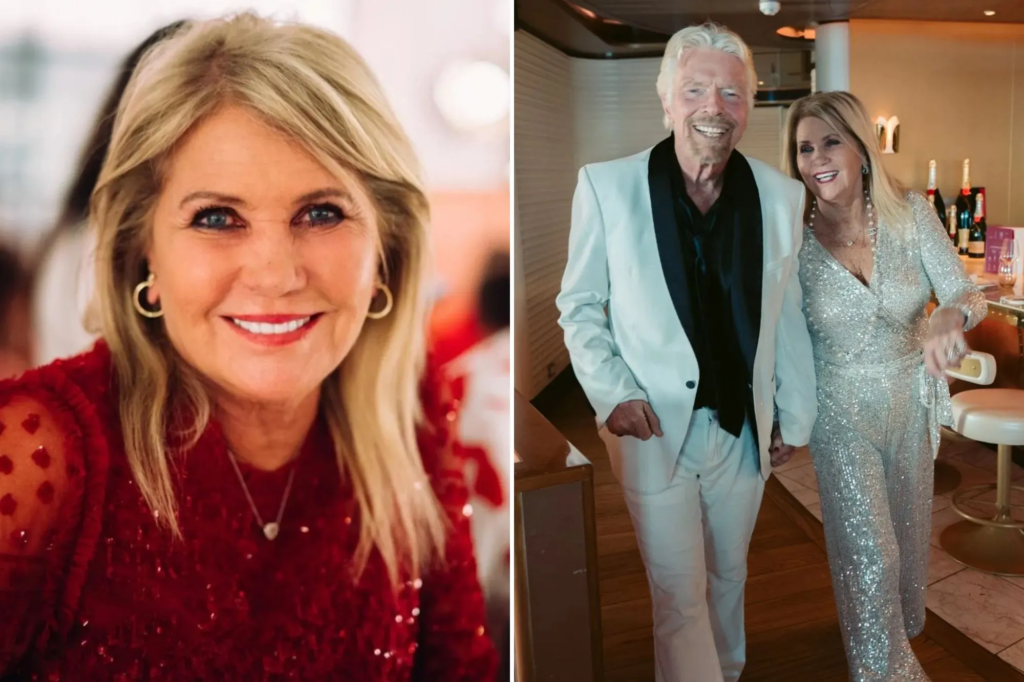
Doctor Admits Joan Branson “Should Have Been” On Blood Clot Medication
Dr. Branson remarked that the bleeding risk was greater than the benefit of busting clots. She added, ‘If it were the case that the bleeding risk was greater,’ and she ‘would have advised my mother to take it. ‘ SHE also reported that her mother had not been put on anti-clot stockings by the doctors for up to two days after her hospitalization.
Dr. Branson noted, ‘I realized that she was not wearing one, and I questioned the nurses about it.’ In my opinion, the lack of anti-clot stockings was simply a mistake on the part of doctors’.
The doctor, Dr. Brask Kunduzi, on duty at Lister Hospital, told the coroner, ‘I felt that it was a very good idea for Lady Branson to be put on one of those anticoagulant drugs. ‘ On the other hand, the doctor who was responsible for making the decision about the prescription and administration of the drugs, he said, admitted, ‘was myself.’
When he was required to explain his actions with respect to not giving her the medication, Dr. Kunduzi responded, ‘Lady Branson had a mishap, and she had started mobilizing right after her fall, which could bring the risk of bleeding. ‘ He then chose to hold off on giving those anti-blood clot injections until he had a CT scan that showed there was no bleeding; the medication could aggravate that condition.
Doctor Admits Communication Failure In Joan Branson’s Care
Dr. Kunduzi told us in his notes that he had not prescribed anticoagulants. When questioned as to how any other doctor could have been aware that he had decided not to give the anticoagulants to Lady Branson, Dr. Kunduzi said he anticipated that whoever was taking his place to check on this decision.
Furthermore, Dr. Kunduzi said he now fully understands ‘the importance of communication between team members’ and has ‘adjusted’ the way his team works. He continued by saying the decision not to give anti-coagulants to Lady Branson will haunt him till his last day of life. He added, ‘My heartfelt sympathies go to the Lady Branson’s family.’
Dr. Nevil Pavithran told the inquest that Lady Branson ought to have received anticoagulant medicines in the twelve hours after her admission to the hospital. The coroner asked whether the doctor had not made it a ‘straightforward’ case that anticoagulants should be prescribed, and the doctor was very clear that prescribing anticoagulants on November 18 was not a problem.
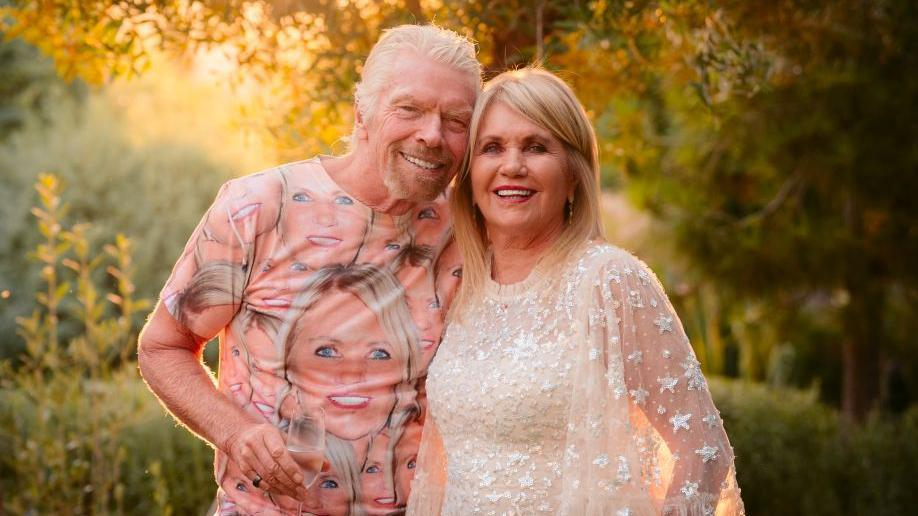
Joan “Avoided” Blood Thinners But Told Doctor She Took Them For Flights
Dr. Pavithran explained there were no drug-related bleeding dangers. Also, he mentioned that she was ‘not likely’ to be wearing compression stockings at all. He further revealed that at a ward round later that night on November 18, the duty consultant, Dr. Inaki Bovill, requested to have her wear compression stockings. Dr. Ben Thomas is a consultant anaesthetist working at Lister. On the evening of November 19, Dr. Thomas visited Lady Branson.
He was thinking of administering a pain-killing injection into her spine—although actually, he did not do it—and asked whether she had blood thinners. This was very important because a spinal needle procedure could bleed you to death, he said. A blood-thinning medication inquiry was asked of Lady Branson and was responded to with Dr. Thomas recounting that she ‘denied it; she said no, she avoided them due to bruising from needles but took them for flights.’
It was Dr. Thomas, later on, who, from a news article, came to find out that Lady Branson had died and promptly contacted his colleague Dr. Bovill. He stated, in summary, ‘He sounded upset; he gave me a quick overview of the incident. I just wanted to make sure he was all right by sending him a text message.’
Joan Branson Fell Over Slippers at Necker Island, Court Told
Dr. Thomas noted: “I raised the issue of anticoagulant medication at the first meeting. She told me that she usually doesn’t need it and only takes a jab when she is flying.”
“I wasn’t really saying she refused to take medication. She did not have it regularly, but rather she only received an injection when it was necessary, like flying,” he clarified.
Dr. Thomas continued, “I really wish that I had elaborated more on the matter that day.” Talking about Lady Branson arriving at the hospital, Dr. Bovill revealed that she had suffered a fall at her residence on Necker Island.
‘The Lady said that she had got a glimpse of a pair of slippers left at her bedside; she slipped over them and fell, was not able to get up, experienced severe pain, and later in the British Virgin Islands got diagnosed with the sustained fractures of the pelvis and the right hip,’ he added.
Lady Branson was well known to Dr. Bovill, and he also knew Dr. Branson, the daughter, from their common hospital working background. He even remembered Dr. Branson at the hospital many years ago.
Dr. Bovill also said that he knew that, for protection, Lady Branson had a device, more or less like an umbrella, a metal filter made, which gets implanted in the vein that comes from the lower body and enters the heart, the vena cava, in order to prevent any clots of blood from reaching up to the heart.
Drug history was the basis of his statement. When Dr. Bovill made known Lady Branson’s admission to him, he said that she was not being treated with an anticoagulant at that time despite her being on many other drugs, which also included low-strength aspirin.
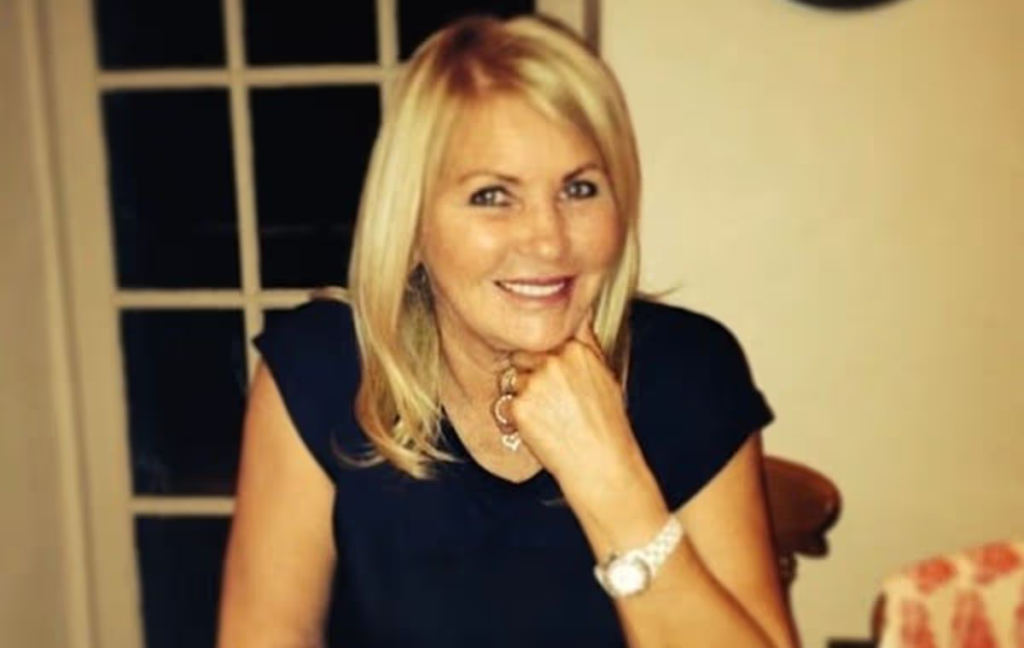
Doctor: Joan Needed More Persuasion to Take Blood Clot Drugs
Dr. Pavithran informed Dr. Bovill that Lady Branson did not want injections due to pain, needles, and bruising. The coroner asked Dr. Bovill why he didn’t just ‘ask her to take it,’ after considering that she had previously used it and it was something she needed. ‘Dr. Bovill commented, “I spent a lot of time and effort to come up with an answer to this. … Perhaps a stronger stance from my side would have been the most appropriate. … I very much regret that I did not.’
Dr. Bovill said compression and aspirin alone would not have been effective for blood clot prevention.
When asked if he changed his mind at all regarding the fact that he had initially decided not to prescribe the drugs, Dr. Bovill replied, ‘For the second time with deep regret, I did not.’
One reason that came to Dr. Bovill’s mind as to why the decision was taken by him to not prescribe these clot-preventing drugs was that the hospital was using a new computer drug prescription program called Expanse. He added, ‘Before the introduction of this computer program, one was able on the drug chart to clearly see if the drug had been prescribed or not.’
Clot-preventing, Dr. Bovill admitted, ‘I was wrong not to go back to the decision. We are still adjusting to Expanse.’
Joan Branson Remembered For “Warmth, Kindness, And Compassion”
In response to the question on whether ‘junior doctors’ would actually take care of prescribing the anti-clot drugs and make a VTE assessment, Dr. Bovill commented, “That’s the way it has been wherever I used my services, but in the end it still does fall under the consulting physician’s responsibility, though.”
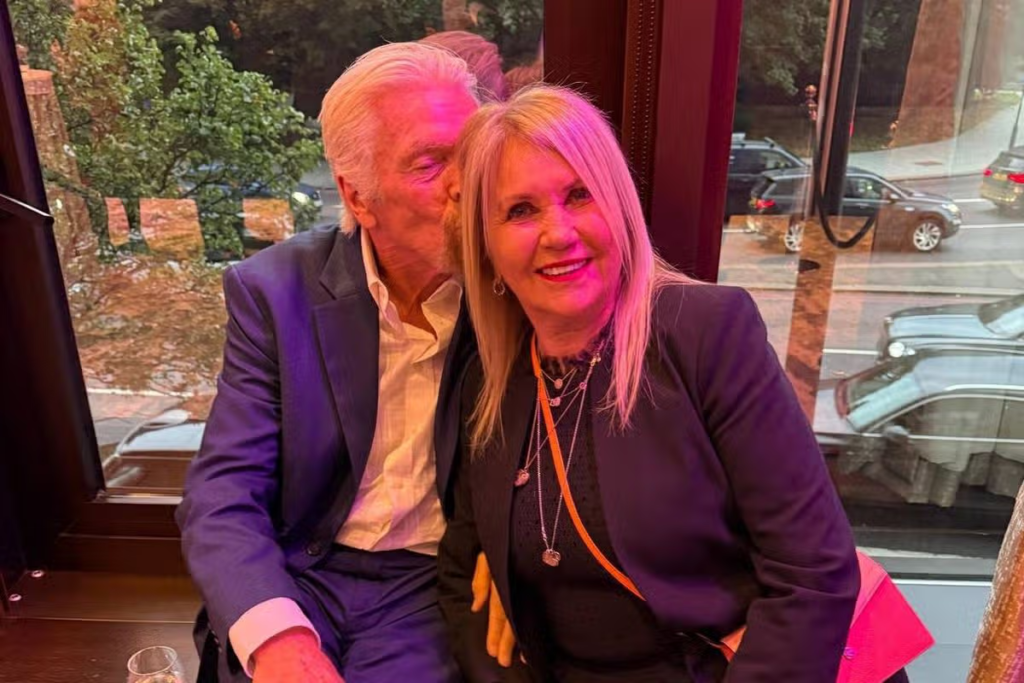
In a statement by the coroner read at the inquest, relatives of the deceased said Lady Branson was a ‘very dear wife, mother, grandmother, and friend’ who would ‘always warm up people with her love, kindness, and never-ending compassion for others.
They also mentioned, ‘Without doubt, she was the center of our family and brought together all the relatives, making the family atmosphere warm and cozy. ‘Her charm and charisma were the driving factors in people becoming friends. She used her talent to make people who were strangers at the beginning soon get along and become friends.’
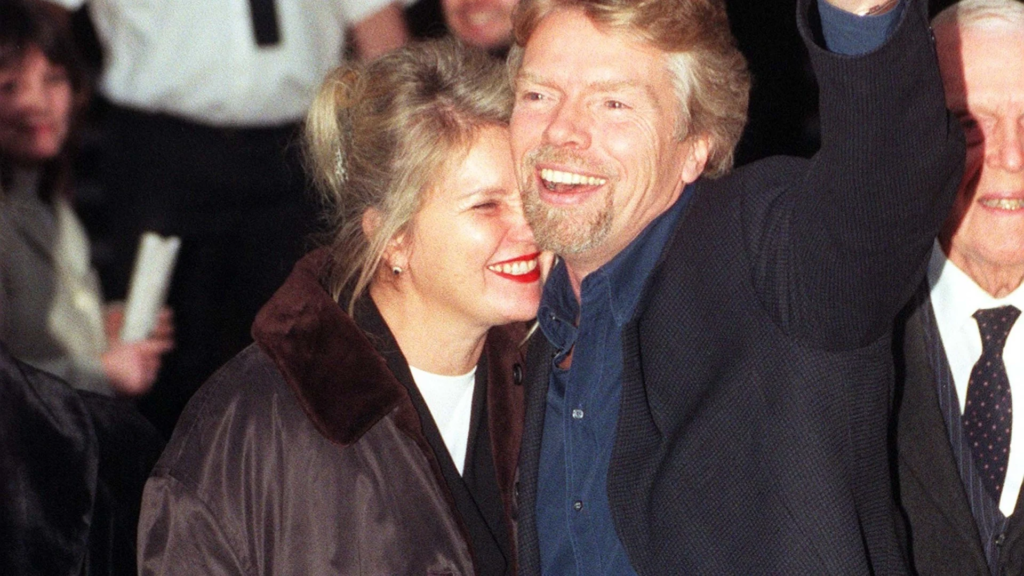
Lady Branson, who was born as a girl in Glasgow and went into marriage under the name Joan Templeman, was known ‘to many as a reliable confidante’ and also ‘for her kindness and generosity through giving.’
Mentioning how their relationship developed, the letter said, ‘It was based on mutual strength and constant love. In addition, it says, ‘She was a very positive force in the life of all those around her.’
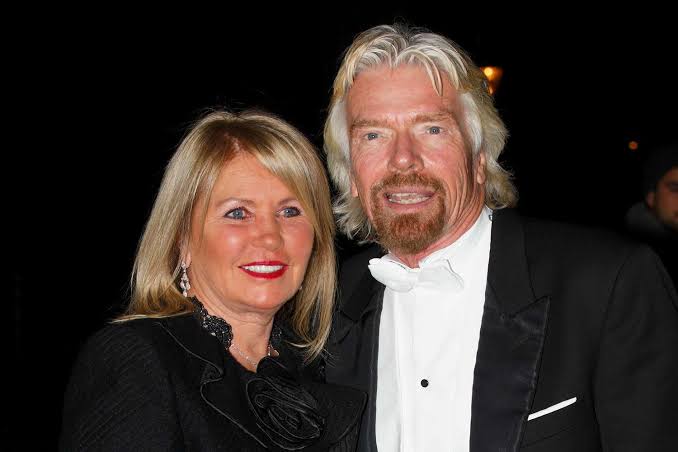
Virgin billionaire Richard Branson took to social media and referred to his late better half as the ‘most delightful and wonderful mamma and granny’ after her passing away on the 28th of January, 2018. The couple was married on Necker Island in 1989.