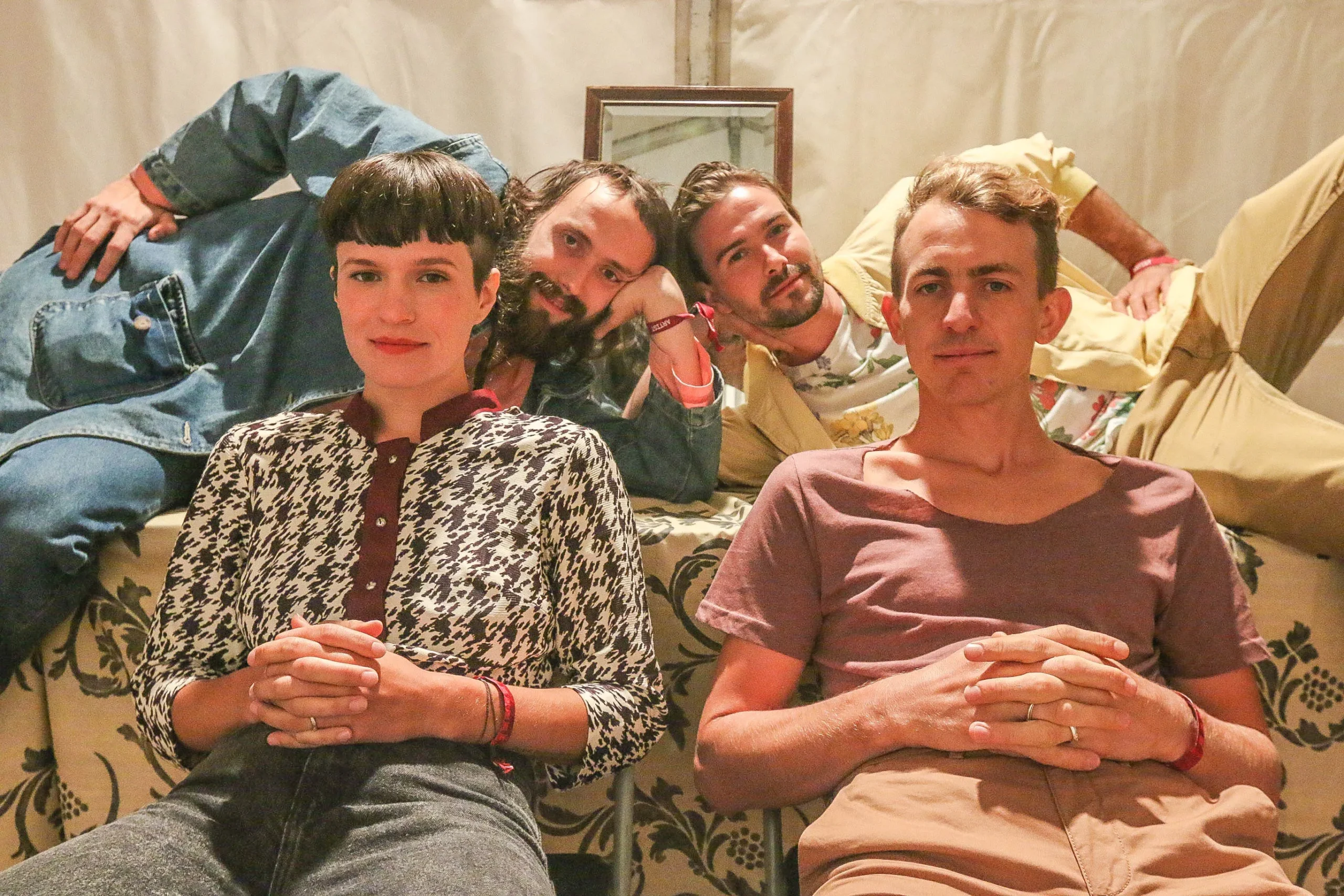

Art’s Timeless Connection
Most powerful masterpieces, among them music, are as if time were folding in on itself to become a tangible connection one can see so clearly that it links not only the past and the present but even the future; as a result, such an art piece is no longer a separate entity; it is constantly changing and shifting its meaning according to the audience’s interpretation and the creator’s growth. Consequently, music is not merely a simple recording of a moment anymore; rather, it becomes somewhat of a living organism that keeps the information and deeply merged with the listener’s identity over time.
Significantly, the truly exceptional pieces of music are those that somehow manage to embed deeply meaningful elements within their structure, elements which remain hidden initially; then, as years pass, these subtle layers suddenly become clear: small, perhaps nearly inaudible glimpses that carry rich, independent stories within them. Ultimately, this is precisely why we connect so intensely with those moments – they powerfully mirror the unspoken and unseen realities that exist right between our own heartbeats, resonating with our deepest experiences.
The Scar’s Hidden Story
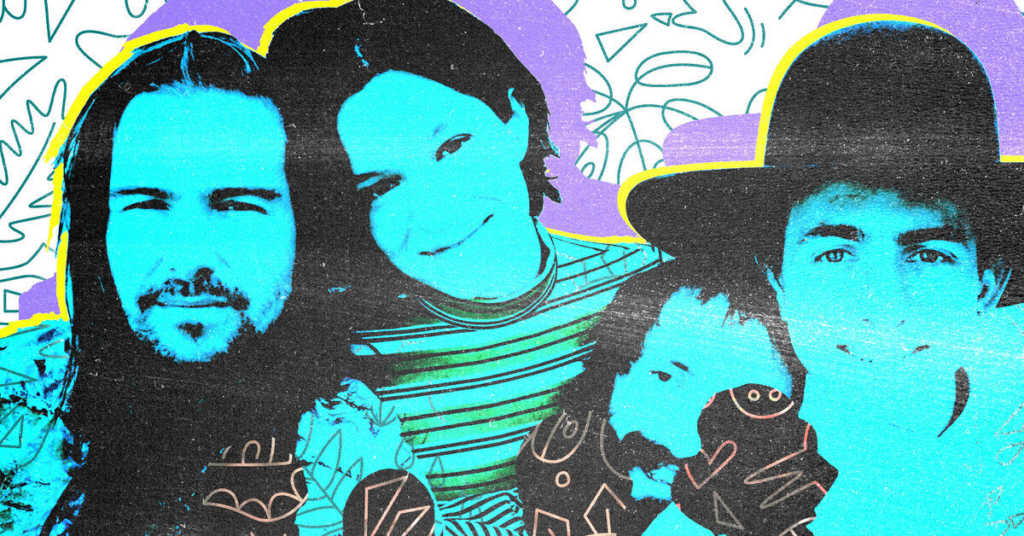
Meanwhile, to many casual observers, the distinct line dividing Adrianne Lenker’s buzz-cut hair might appear insignificant, perhaps just a rough reminder of some minor past injury. However, that scar tells a very deep and significant story: sadly, when she was only five years old, Lenker had a serious domestic incident in which her skull was fractured, an injury that almost took her life. Eventually, the distressing picture of the hurt child lying her head on her mother’s lap, with a dishrag wrapped tightly around the bleeding wound, was eerily turned into a first-person narration of the twisted yet gentle song “Mythological Beauty.”
Beauty in Contradiction
Lenker’s evocative lyrical images consistently inhabit this complex space, dwelling precisely between stark beauty and the unsettlingly hideous; consequently, they persistently question concepts of identity and memory, which often seem to be in direct conflict with each other, while simultaneously embracing the inherent contradictions that define human existence. During interviews, this thoughtful approach is visibly evident as the singer frequently takes long, deliberate pauses; her gaze slowly scans the surrounding room, becoming intently focused, perhaps caught by a single ray of light hitting an apple in a nearby fruit bowl or absorbed by the deep green hue found within a particular plant’s leaf. Remarkably, time itself seems to stretch out expansively within her presence, and space feels like it unfolds widely; subsequently, what she describes as her “psychedelic thinking” becomes fully apparent, demonstrating her unique ability to perceive vast eternity within the smallest detail, like a mere grain of sand.
Expressing this ambiguity, she once stated in a Pitchfork interview, “I’m not quite sure if I’m writing the songs from myself to my future child, or to my inner child, or from my mother to me,” thereby perfectly capturing the distinct, fluid qualities central to her songwriting. Significantly, through this profound sensitivity and emotional depth, she reflects the classic traits often associated – if one believes in such categorizations – with the Cancerian personality type, embodying the archetype of the deeply feeling artist many assumed vanished after the 1970s concluded.
Big Thief’s Collective Power
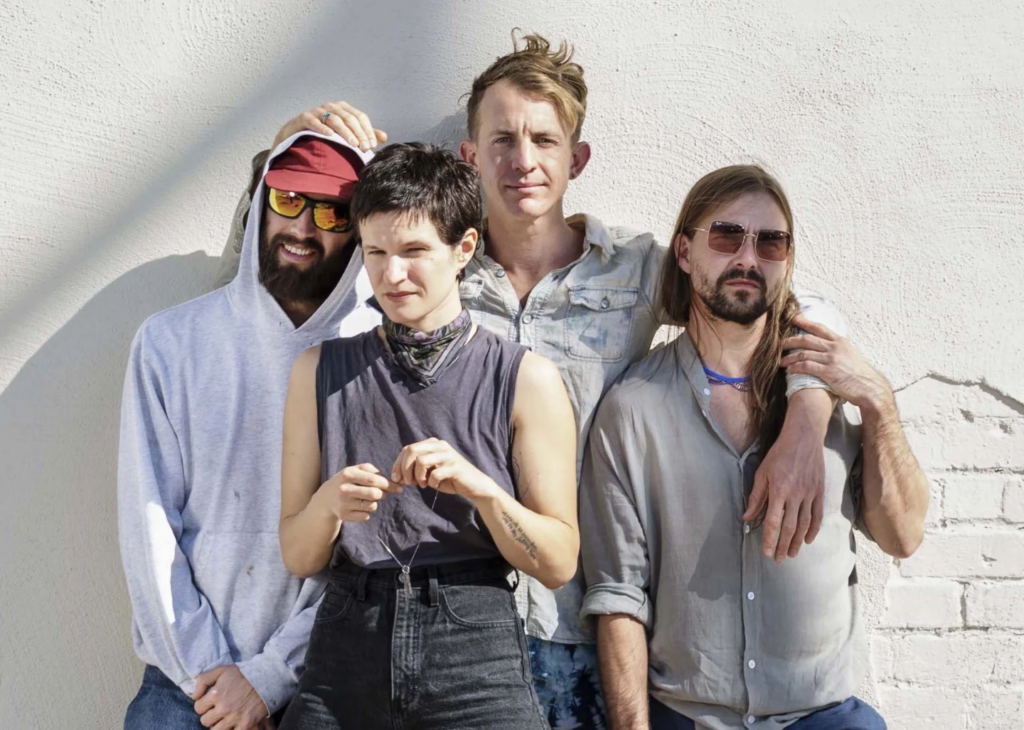
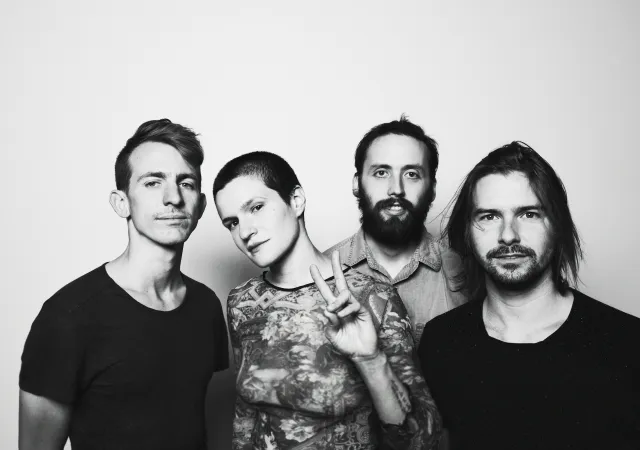
It would be tempting to just consider Big Thief as the solo career of Adrianne Lenker’s genius, but the truth is that the band is just a super-organism. The band is basically a union of four people who are all different but combine their different talents and skills: Buck Meek on guitar, Max Oleartchik on bass, and James Krivchenia on drums. The four members make every decision together; also, they really enjoy changing their location with each new recording session, and hence using their common music as a mutual, continuous conversation between them.
Constantly Shifting Environments
With every single new album project, Big Thief deliberately chooses a completely new geographical location to record within. Consequently, they actively fashion the very sound and feel of their music directly after the unique characteristics of their latest habitat. Furthermore, they brazenly head straight for unknown genre aesthetics and embrace bold sonic experimentation each time they relocate. Essentially, their entire collection of records could easily function like a long, unfolding road movie. This approach powerfully reconnects with Adrianne Lenker’s own deeply rooted experience; her family constantly skipped from place to place after she was brought up within a restrictive religious cult.
As a direct result, during her teenage years, the songwriter rarely stayed long in any single location, frequently living with a variety of different people or families scattered all across the country. While the band’s initial two albums primarily reflected upon autobiographical snapshots drawn from these experiences, Big Thief has since confidently moved into far more expansive and purely lyrical territory. Therefore, they now capture poetic snapshots of intangible things, sensations, and concepts that feel impossible to fully manifest in the physical world.
Exploring the Intangible
For instance, their songs vividly portray a ghost’s haunting presence lingering within “Jenni,” the complex yet lovely smell uniquely associated with a difficult partner in “Wolf,” the profound loss of female innocence painfully observed by a father figure in “Interstate,” and even the vast, cosmic desire for absolute freedom found within the immense void of endless time itself in “The Only Place.” Ultimately, within Big Thief’s music – much like within the depths of Lenker’s own perceptive gaze – even the briefest moments hold astonishing weight and significance. Remarkably, just ten seconds of pure silence, the sudden, sharp feedback screech from a guitar, or an unexpected, raw scream can feel like they contain an entire eternity within them.
Moments Become Stories
However, time inevitably continues its forward march. Subsequently, the band eventually leaves each recording location behind, actively seeking out yet another fresh place to create their next work. Meanwhile, their audience naturally grows older alongside them. Importantly, as time steadily progresses, those specific, potent musical moments discovered on their records actually begin to amplify in meaning and resonance. Gradually, they unite seamlessly with Lenker’s evocative poetry and the band’s instrumentation, which effortlessly shifts between sounding celestial and deeply earthy. Consequently, these elements organically transform and mature into powerful, self-contained stories all their own over the years.
Deep Personal Resonance
Meanwhile, an undeniable sense of presence and distinct personality absolutely oozes out of every single song this remarkable band has ever recorded. Naturally, the thirty tracks specifically chosen below could very easily have included a whole armada of other exceptional contenders, such as: “Animals,” “Cut my Hair,” “Haley,” “Velvet Ring,” “Certainty,” “Parallels,” and “Flower of Blood.” But ultimately, they don’t feature on this particular list. Significantly, within the specific choices actually made, these selections genuinely reflect a part of our own staff here and our individual life stories, which occasionally intersect meaningfully with the band’s journey and themes.
Personally speaking, as a fellow Cancerian who also shares a noticeable tendency for head wounds, I can directly attest to the profound impact of Lenker’s work. Honestly, what Adrianne Lenker and her immensely talented band have meticulously fashioned together might very well represent the absolute best music being created within her entire generation. Consequently, through their evolving body of work, we are privileged witnesses observing the growth of something truly special into a force larger than life itself. We are watching a genuine legend actively being made, right before our eyes and ears: a creative entity that is never standing still, always beautifully in flux. – John Wohlmacher
30 “Lorraine” [Masterpiece, ‘2016’]
Song Context & Style
“Lorraine” was the 30th track on Big Thief’s first album, “Masterpiece”, which was released in ‘2016’. The song sits in an album where the band members experiment with different sounds from rock and alternative rock music styles. But along with these influences, the band’s early and still-dawning love for folk also comes out quite clearly. Consequently, songs like “Paul” and especially “Lorraine” itself serve as key examples demonstrating this particular folk direction on their debut. Meanwhile, “Lorraine” is a brief, two minute piece that draws a lot of its elements from the great singer songwriter heritage. Basically, the song is a showcase of Adrianne Lenker’s singular and emotive voice that is smoothly accompanied by nothing more than a basic, grounding guitar part. This intentional move gives a very close and very straight to the point instant feeling.
Artistic Details & Foreshadowing
The lyrics Lenker sings in “Lorraine” quickly show her strong liking for creating impressionistic pictures of people and moments using words. Moreover through such phrases, which happen to be poetically strange and unexpected but sounding perfectly normal, she stood out with the unforgettable expression: “Your new blue eyeliner caught my distraction.” and the song might be characterized as simple, unimpressive according to standard pop music or even typical of its genre, but it portrays a subtle and unarguable sensuality. Importantly, this tune works really well and pulls the listener in immediately from the very beginning. Then, significantly, near the song’s ending, Lenker layers in her own voice again, this time singing a backing harmony part. Crucially, this supporting vocal receives special studio treatment: it gets a light touch of reverb (an echo effect) and noticeable compression (smoothing out the sound), making it sound different from her main, clear vocal take.
Therefore, this creates an intentional and clear contrast between the pure, untreated lead vocal sound and the altered, effected backing vocal sound. Ultimately, this subtle yet clever sound contradiction – placing clean and processed vocals side-by-side – acts like an early sign. It clearly points towards the kind of intricate and thoughtful sound experiments that Big Thief would later fully develop and weave deeply into their music, making these techniques absolutely vital to their more complex future albums, especially the expansive project titled ‘Dragon New Warm Mountain I Believe In You’. – John Amen
29 “Those Girls” [Two Hands, 2019]
Musical Atmosphere & Recording
“Those Girls”, situated as track 29 on Big Thief’s 2019 album ‘Two Hands’, is a deeply mysterious nighttime song that very intentionally evokes a soundscape similar to the famous ‘White Album’ of The Beatles. Also, the group went all the way out to get this song live in one single take, a very important process that makes the whole performance have a very raw and close vibe. As a result, this live method is allowing the deep bass guitar to be at the forefront of the mix while also leaving enough room for the incredibly vulnerable and sad lead vocal performance of Adrianne Lenker.”
Importantly, listening closely with closed eyes creates a near-tangible illusion of being physically present in the very room alongside the band during that exact recording moment. Ultimately, this profound sensation of immediacy directly mirrors and amplifies the song’s vulnerable lyrical content, which explicitly pleads for physical closeness and deep human connection as a vital shelter against an unsettling, threatening presence lurking nearby.
Lyrical Mystery & Universal Longing
The lyrics, as one of their strongest qualities, create confusion concerning the “demons” mentioned—hence they do not clarify whether these “demons” are the singer’s inner psyche or actual external entities, and are just as uncertain of their being from the singer’s traumatic past or a threatening future. Besides that, the eerie main image of “those girls” is remarkably summoned up, but their absolute nature or background is still not hinted at, only the chilly emotions of mockery and oppression they evoke being quite tangible and shown through the lines: “Island, demons / Zoë, you come over now / ‘Cause those girls keep telling me things / And only you can hold them down.”
While intensely personal to Lenker, these words simultaneously evoke a universal, aching longing for safety and understanding. Therefore, ultimately, the exact source of our individual hauntings matters less than our shared, desperate need to find that one person capable of silencing the destructive voices—inner or outer—that hold us captive. Sometimes, indeed, the smallest gestures or a single compassionate soul unexpectedly become transformative lifelines, fundamentally altering who we are. – John Wohlmacher
28 “Blurred View” ‘Dragon New Warm Mountain I Believe In You, ‘2022’
Genre Fusion & Sonic Texture
As the 28th track of Big Thief’s 2022 album Dragon New Warm Mountain I Believe In You is one of the most effortlessly and eclectically unfolded compositions of the record. The band not only combines different musical genres but also perfectly marries their sound with the help of instruments and the general production, giving them the freedom to creatively blend their numerous influences. That is to say that they stylistically merge the dreamy aesthetics of dreampop with the dense, layered guitar soundscapes of shoegaze, add the psychedelic-pop mind-bending character to their songs and use the dark, moody tones of folk.
As a result, a mixture of different droning, ambient, and slightly fuzzy sounds becomes their song. Besides, James Krivchenia’s drumming is played subtly behind the beat, which is probably why the whole track gets such a great, lazy and summery vibe that reminds of a stoned, hazy afternoon. This basic groove makes the whole Big Thief experience very unique and atmospheric and this is how it continues throughout the song.
Evolving Sound & Lyrical Theme
As the song gradually unfolds, the band that is the band masterfully combines those airy, floating atmospheric sounds with rhythms that are surprisingly disparate and shifting. Drumming James Krivchenia notably transitions his drumming into more elaborate, jazzy patterns, adding off-tempo, playful, that sound both unexpected and perfectly fitting. As a result, this competent combining gives a light but always changing, almost alchemical, mixture that holds the listener’s attention. Moreover, on top of that, the voice of Adrianne Lenker is basically a new and different layer in the music. Her voice is specifically noisy and distorted as if she is singing through a very old walkie talkie or a slightly damaged radio.
Lenker songs were captivating from the start, pulling the audience in with their hypnotic quality, and yet her words were confusing and could be interpreted in many ways. The music and lyrics combine very effectively to show the changeable, mutable aspect of human identity. They are, indeed, very evocative of the phenomena whereby, in moments of intense emotion or profound connection, one’s typical feeling of separateness or individuality temporarily fades away or is even gone completely. Ultimately, this yields a profound experience of transcendent, shimmering oneness – a feeling of being beautifully connected to everything around you. – John Amen
27 “Love Love Love” ‘Dragon New Warm Mountain I Believe In You, ‘2022’
Vocals, Theme & Emotional Duality
The 18th song on Big Thief’s 2022 double album ‘Dragon New Warm Mountain I Believe In You’, “Love Love Love” is the first to present its unique vibe with a deep, long drone-like background. Besides, the basic sound also goes with the peculiar trashy-looking drums, perfectly conveying the song’s crude, stirring mood from the very beginning. Meanwhile, Buck Meek’s guitar undergoes significant processing, seemingly run through various effects pedals or studio techniques. Consequently, this treatment creates noisy yet hauntingly melodic bursts of sound, which occasionally produce an auditory illusion remarkably similar to notes from a modified trumpet or trombone.
Ultimately, the entire mix masterfully balances seeming chaos with careful cohesion, feeling purposefully cacophonous and lo-fi in its raw energy while revealing deeply integrated, studied construction. Above this complex backdrop, Adrianne Lenker delivers a vocal performance both impenetrable and rivetingly intimate, moaning the stark lines: “I already died / I’m singing from the other side.” Lyrically, she addresses the profound notion that upon death, love previously unexpressed during life is finally freed, dissipating to be absorbed by the cosmos itself. Hence, the ballad of palpable hope and spiritual rescue, yet quite a bit of the very root of terror was present in it, very complexly tangled with paradoxical exhilaration concerning this cosmic liberation. – John Amen
26 “From” [U.F.O.F. 2019]

Solo Version Intimacy
Throughout Adrianne Lenker’s 2018 solo record ‘abysskiss’, the tune “from” was somewhat like a voyeuristic flash of a single very gifted and adept creatively independent-thinking songwriter’s curtain. Consequently, Lenker, who was away from her main band Big Thief, decided to make a set of intimate, very quiet and somewhat raw acoustic recordings. It should be emphasized that with the reduction of the musical setting, these compositions did not lose their complex, detailed and memorable melodic lines as well as the deeply emotional lyrics that the singer had already known a lot because of her band work.
Moving into this quieter space magnified some of these core artistic strengths, allowing them greater focus and emotional impact. Consequently, “from” emerged as one of the clear highlights on ‘abysskiss’. The song beautifully weaves rich domestic imagery, vividly describing moments like lying on a floor alongside repeated, endearing snapshots centered on a particularly oblivious yet endlessly curious puppy. Simultaneously, it features an absolutely lovely, instantly memorable melody that anchors these intimate scenes.
Band Transformation & Depth
Subsequently, “from” was reworked for Big Thief’s full band, an acclaimed 2019 album ‘U.F.O.F’, and this new version is halfway between the original and the band version. It skillfully keeps the basic track of the stripped-down and emotional, but it also very much opens up to be something distinctly different: a little darker in overall mood and significantly more fluid and dynamic in its arrangement. Crucially, James Krivchenia’s drums introduce a roiling, persistent, river-like undercurrent that propels the song forward with new energy. Moreover, the arrangement itself masterfully sways in and out between passages of extreme quiet and moments of swelling volume. This dynamic shift effectively echoes the lyrical themes of emotional unsteadiness and uncertainty present in the words. Meanwhile, Lenker’s original, captivating melody remains perfectly intact, though it now sounds brighter and clearer as it gracefully slinks through its imagistic journey.
This journey leads compellingly to its potent, emotionally charged final lines: “Baby’s coming soon / Wonder if she’ll know / Where she’s come from”. Significantly, the last word, “from,” resonates powerfully, seeming to ring out directly into the vast ether. Therefore, while the song fundamentally remains a gentle, organic entity – akin to a quiet storm brewing far away on the horizon – the band’s deeply loving and thoughtful additions collectively elevate it. Ultimately, they transform the track, moving it out of the solitary shadow cast by the solo version and into a beautiful, shared space bathed in soft, dewy light. – Jeremy J. Fisette
25 “Two Hands” [Two Hands, 2019]
Big Thief framed their 2019 fourth album, ‘Two Hands’ as the “earth” counterpart to their more psychedelic U.F.O.F. released earlier that year. While sharing some stylistic overlaps, Two Hands distinctly cultivates a terrestrial ambience. The title track exemplifies this with its swampy, humid haze, contrasting U.F.O.F.’s spaciness, evoking tangible steaminess. Adrianne Lenker’s yearning vocals drape over Buck Meek’s hypnotic guitar and James Krivchenia’s lulling drums. Crucially, the track builds controlled cacophony while retaining melodic, sultry entrapment. Simultaneously, Lenker’s voice radiates existential longing as the instruments dynamically swell and contract. This visceral ebb and flow powerfully conjures a primal image: a mythic creature crawling through subsoil, cementing the album’s earthy essence. – John Amen
24 “Shark Smile” [Capacity, 2017]
Dramatic Sound Shifts and Controlled Story Delivery
“Shark Smile” opens up right away with a loud and chaotic guitar noise and similarly fast and unsettled drum patterns that sum up the dark and threatening atmosphere in a very impressive way that is quite similar to the one created by The Walkmen’s songs. Yet the frenzied sound is gone halfway through the track, wires and drums playing a calming and reassuring routine that keeps the song moving without losing its energy. Meanwhile, Adrianne Lenker tells the heartbreaking story within the lyrics—which involves meeting a dangerously attractive woman named Evelyn, followed by a high-speed car journey that ends in a deadly crash—using very soft and carefully measured singing. Furthermore, her quiet vocals only become slightly stronger during the song’s repeating “woo” sections, deliberately avoiding more emotional delivery because she understood that anything louder would take attention away from this meaningful, parable-like tale.
Enduring Musical Intensity and Band’s Foundational Strength
Throughout the entire song, those initial chaotic guitar sounds powerfully return again and again, rising and falling like stormy rain and wind violently hitting a car windshield during a dangerous drive; nevertheless, this changing intensity never actually breaks the song’s tight concentration or forward momentum. Additionally, while Big Thief would later explore much more complex musical ideas on albums released after this one, this particular song clearly demonstrates that five years earlier, their abilities as a direct and uncomplicated indie rock band were already exceptionally powerful and deeply appealing compared to others. Ultimately, the haunting lyrical moment where Evelyn pleads, “She said woo / Baby, take me,” feels so intensely inviting that, as critic Carlo Thomas personally admits alongside many listeners, following her into that fateful ride becomes an undeniable temptation.
23 “Century” [U.F.O.F., 2019]
Atmospheric Buildup and Sensual Longing
“Century” is definitely one of Big Thief’s songs that sneaks up on you with its subtle charm. In this track, Adrianne Lenker really impresses with her delicate but effective artistic imagery of what seems to be a new love story in a nebulous setting. Her solo performance starts very quietly: “Dog’s eyes in the headlights of the driveway / Cool autumn rain,” while a soft, somewhat unclear, and gentle guitar picking that can easily be linked to the light and rhythmic rain is used. Lenker, through her persona as a longing partner does this very skillfully; she has the fantasy quite openly: “Bugs died on your windshield on the freeway / Wonder if you’ll be the same,” revealing her timid excitement about the arrival of her lover and the spark they’re going to create. This quiet tension grows steadily as she waits.
Intimate Connection and Shared Power
Eventually, when her partner finally arrives, their physical meeting generates a quiet yet intensely electric feeling between them. At this point, Big Thief maintains a smooth, unhurried musical groove as Lenker’s character suggests deepening intimacy: “there’s something that I want you to know/turn on the shower.” Following this suggestion, the two lovers directly lock eyes with each other. Then, bandmate Buck Meek adds his voice, representing the partner, and they sing together in unison: “we have the same power.” According to Rob Hakimian, this powerful moment signifies that the outside world completely fades away, leaving only the immediate, shared pleasure between them as the sole important thing. Ultimately, they possess the mutual ability to give this profound pleasure to one another – regardless of any potential consequences their actions might bring later.
22 “Open Desert” [U.F.O.F., 2019]
Dreamlike Soundscapes and Elusive Symbolism
U.F.O.F.’s most breathtaking moments create a glowing, interconnected sound world reminiscent of Souvlaki – envisioning something both nighttime-bright and fragile-yet-strong, like a frozen dream. Simultaneously, Adrianne Lenker’s recurring image of lips gently kissing water appears most poetically in “Open Desert” through the lines: “To the poison image / Brave surrender / Kiss the water”. Furthermore, the song immerses listeners in a magical, dreamlike stillness found within ordinary moments: white light quietly seeping under a doorway, mismatched eye colors, or a mirror’s reflection. Lyrically, this stands among Lenker’s most mysterious works: mentions of lost teeth and blood hint at aging and death, while shifting from a living room to a waiting room as the “white light’s” origin suggests health challenges. Importantly, the intentionally hidden meaning evokes dream states and raw emotional reactions to fleeting images, whether imagined or real.
Metaphysical Quest and Sonic Transcendence
Moreover, the powerful metaphor of a child drawn toward light beneath a door – symbolizing a search for deeper understanding, similar to themes in “Sparrow” – pairs with the appearance of an entity possessing “one green, one eye blue”. This figure echoes strange, boundary-crossing light-bringers like Fanny & Alexander’s Ismael, revealing itself through small beautiful moments after immense suffering to deliver something beyond ordinary experience: the “things we’re meant to understand.” Ultimately, the song’s genius lies in musically capturing this essence through soft, high-pitched ambient notes that periodically emerge like dawn light through a window. These sounds lift both the track and listener into otherworldly realms, creating an indescribably sacred and precious feeling beyond words, as noted by John Wohlmacher.
21 “Dragon New Warm Mountain I Believe In You” Dragon New Warm Mountain I Believe In You, ‘2022’
Recording Session Context and Version Significance
Big Thief developed numerous live versions of “Dragon New Warm Mountain I Believe In You”, and concert attendees can verify the impressive impact of their particularly HEAVY arrangement. However, the studio version remains the ultimate reference point. This specific recording originated during their third album session high in the Colorado Rockies. Consequently, the natural environment visibly permeates the track’s sonic texture. Meanwhile, the band responded to this majestic setting with unrestrained creative inspiration, forging an organic connection between landscape and sound.
Multilayered Symbolism and Environmental Harmony
Adrianne Lenker’s lyrics introduce: “There’s a dragon in the phone line / Coughing up a mighty flame / With a tongue of silver / Calling out my oldest name.” Significantly, the “dragon” holds multiple interpretations: it might symbolize a romantic partner, represent untamed nature, embody music itself, or reflect Big Thief as a collective entity – particularly since bassist Max Oleartchik likened band performances to “riding a dragon.” Additionally, Lenker projects her earnest conviction into the song’s crisp, luminous atmosphere, which directly mirrors the vast elemental grandeur of their mountainous recording location.
Artistic Craftsmanship and Transcendent Impact
The band complements Lenker’s vision through a sophisticated yet seemingly effortless arrangement. This also covers the delicately flowing acoustic guitar, artistically detailed percussion, pretty unobtrusive brass-like timbres, and even the unique crack that came from the icicles for the atmospheric layer. In the end, “Dragon New Warm Mountain I Believe In You” takes people on a journey, arouses spiritual profundity, shines with deep beauty, and represents the excellent synergy of a top-tier band at their creative peak. As Rob Hakimian sums up nicely: “It’s a little bit of magic,” recognizing its fantastic nature.
20 “Black Diamonds” [Capacity, 2017]
Musical Conversation Mirroring Romantic Discovery
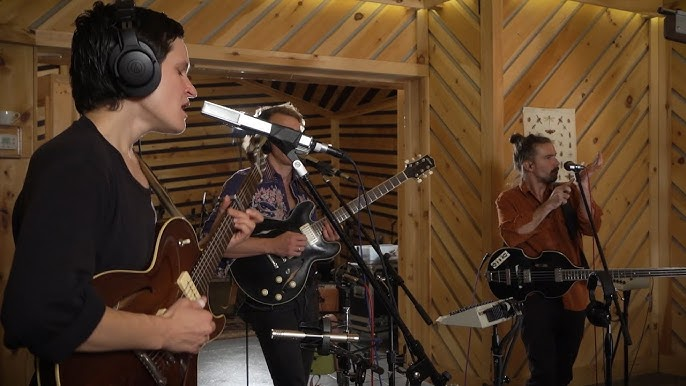
“Black Diamonds” is probably one of the most deeply moving and emotive love songs of the whole music history that lyrically, in a very delicate way, talks about the physical and spiritual side of the love falling process. Sonically, the song is really a conversation between the guitars of Buck Meek and Adrianne Lenker, each one carefully exploring the gap that separates them, like two shy dancers trying to learn the steps. The whole piece is one guitar starting a line and the other one giving a considered reply, then they both gradually change their roles further.
On the other hand, the steady bass and drum work produced quite observable, pulse-like beats that could be felt throughout the whole concert and especially during the main emotional moments. As a result, this is one of the most expressively complex performances of Big Thief guitars, only for the fact that the sensitive and reactive soloing really conveys the very personal and close interaction that happens between two two lovers.
Vocal Journey from Hesitation to Assertive Empowerment
Vocally, this song marks one of Adrianne Lenker’s earliest and most masterful performances. Her confident yet restrained delivery radiates profound longing without ever resorting to volume or force. While consciously following her lover’s lead within the narrative, she vividly describes feeling overwhelmed within “the vast blackness of his eyes,” yet she firmly maintains her presence. Initially, she characterizes herself as vulnerable and uncertain: “So much coming in / I do not know where to begin / I just follow the lead you’re pulling.”
However, she undergoes significant transformation across the song, emerging powerfully self-assured by its conclusion. Early verses pose vulnerable questions about identity and exposure: “Should I let you make a woman of me? / Should I let you take the mystery from me? / See the inside of my room at night?” – whereas the final lines shift into confident, nurturing invitations: “Come on, let me make a man outta you / I could gather you and you tell the truth / You could cry inside my arms.”
Societal Role Struggle and Love’s Transformative Depth
Furthermore, Lenker thoughtfully wrestles with restrictive societal expectations and female stereotypes – particularly the fear of losing oneself within a male partner’s dominant presence (“the disappearance in a male lover’s hurricane”). This conflict shows how she conceptualizes love as a softer, more hinted to tender aspect. Therefore, “Black Diamonds” movingly depicts the fear of love’s unveilings and the huge emotional depths it asks for, at the same time presenting how true love frees people from the shallow judgments of the outer world. As a matter of fact, the metaphor of eyes – here interpreted as profoundly dark “windows of the soul” with a bright glitter of “the potential and excitement of labored breath and quickened heartbeat” – represents the exhilarating, change-making aspect of love as it were by John Wohlmacher.
19 “Shoulders” [Two Hands, 2019]
Album Misconceptions and Song Structure
Two Hands, frequently described as the “earth twin” to the celestial ‘U.F.O.F.’, is often misunderstood as merely a straightforward rock album, Big Thief’s most loosely constructed record, or their most sonically obvious work. However, once listeners move beyond initial impressions, the album reveals profound emotional depth that defies expectations. One of the band’s most misleading creations, ‘Shoulders’ is probably the most confusing single: a grunge-tinged ballad that people often take as a vehement environmental alarm calling, but in fact, it has several layers of dual meanings. In terms of melody, it is introduced by a bright, Neil Young-like guitar solo that catastrophically breaks at its halfway point, leaving Adrianne Lenker’s supplicating vocal performance to be the first noticeable element: “Please wake up.”
Thematic Duality of Healing and Destruction
Throughout Big Thief’s recent catalog, recurring references suggest drug usage and its devastating human consequences. The song’s powerful chorus—”They found you in the morning / The blood was on your shoulders / They found you at the corner / Your head was doubled over”—starkly contrasts verses portraying the subject as a healer figure who simultaneously self-destructs. This destructive spiral is further emphasized through imagery of being unable to awaken, symbolizing a surrender to harmful cycles despite possessing restorative intentions.
Climactic Revelation of Inherited Trauma
The song’s emotional peak arrives painfully during the chorus climax when Lenker’s voice escalates to a raw yell: “And the blood of the man / Who killed my mother with his hands / Is in me, it’s in me, in my veins.” While these lines evoke domestic violence or symbolize Earth’s metaphorical motherhood, they also poignantly illustrate how self-destruction becomes embedded within personal identity. The lyrics explore humanity’s search for solace in numbed, “slumber-like states,” only to realize this escape suffocates true healing. Whether addressing abusive relationships, ecological neglect, or reliance on intoxication to mute pain, the universality of this struggle resonates powerfully, as John Wohlmacher observes: “the most powerful lines are always the most universal.”
18 “Real Love” [Masterpiece, 2016]
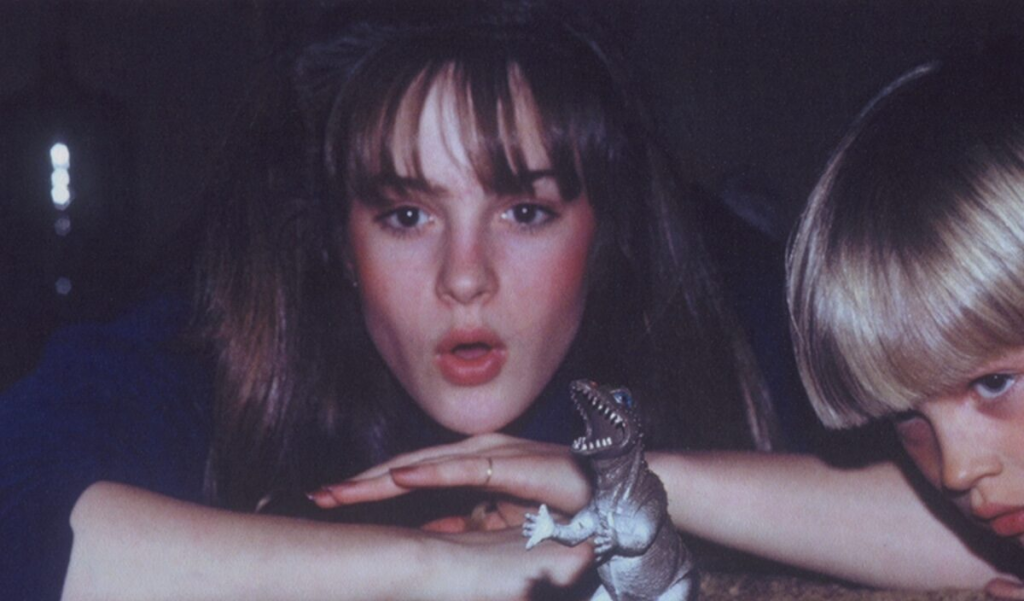
Image and Song’s Raw Violence
From an external perspective, Big Thief appears to be a peaceful band promoting love and harmony; however, dedicated listeners understand the significant darkness and visceral violence deeply embedded within their music. “Real Love” is a song that profoundly depicts one of the main themes that eventually became a characteristic of the band’s entire career – the human conflict. One of the most definitive ways in which the band has been dealing with this subject throughout “Real Love” is by absolutely removing any magic or mystery when they portray the pure, raw hatred and the stubborn, irrational way of thinking of humans in the awful and uncomfortable aspect.
Childhood Trauma Perspective and Adult Musical Catharsis
The narrative unfolds through the confused perspective of a child witnessing their mother endure physical abuse from their father. Consequently, this child tragically misinterprets the slaps, split lips, and desperate tears as expressions of “Real Love” because they lack any other framework for understanding such cruelty. Meanwhile, when sung by the adult Adrianne Lenker, the emotional impact becomes profoundly tumultuous and agonizing. To fully convey the immense pain and regret resonating behind her voice and gaze, Big Thief unleashes one of their loudest, most dynamically shifting rock arrangements within their entire catalog. The song not only shows the dark side of love but also empowers the idea that one of the most common human traits, love, could lead humans to the same insensitive and illogical behaviors – Rob Hakimian.
17 “Jenni” [U.F.O.F., 2019]

Personal Spectral Encounter Experience
About a year ago, I saw a ghost lightly: while I was awake and deeply thinking in the middle of the night, a woman’s voice screamed very close to my ear, and not once but twice. So, I was physically backing away into a corner, shaking with great terror and amazement. Though I have had some encounters with the paranormal and have seen occult manifestations, this incident became the most frightening. To be more explicit, nobody can equip you with the shock and fear of such a sudden and sensational event that goes all the way to contradict your scientific understanding. It deeply struggles with our feeling of security – be that location, mind, or philosophy – and is in complete opposition with natural sciences that consider ghosts as non-existent.
Song’s Paranormal Resonance and Lyrical Fragments
Meanwhile, Big Thief’s “Jenni” perfectly captures this profound cosmic anxiety and reality-shattering sensation. While it’s unclear if Adrianne Lenker drew from personal ghost encounters (though her cult upbringing and nomadic life suggest plausibility), the track radiates an unholy, intuitive familiarity. The lyrics form a fragmented mantra: “Too hot to breathe,” “Her vacant eye,” “Jenni’s in my room,” delivered in Lenker’s near-whisper with eerie childlike disbelief. Gradually, these shift toward almost erotic descriptions of translucent skin and opening portals, suggesting an occult sisterhood. Furthermore, a palpable sense of violence and distress saturates the words; while ambiguous, Jenni clearly exists in unrest. Sonically, disruptive feedback and effects pierce the song’s structure, signaling a presence beyond the band itself.
Climactic Manifestation and Lingering Presence
The track often evokes the séance-like atmosphere of John Lennon’s “Cry Baby Cry.” Then, “Jenni” suddenly escalates to a single repeated guitar note hammered relentlessly before explosively erupting into monstrous, eerie yelping during the final chorus. This cacophony could represent band members screaming, extreme guitar effects, or Jenni herself announcing her arrival. Ultimately, the song leaves an unsettling implication: Jenni might reveal herself when least expected. She could be behind you right now—a haunting memory or echo of something we instinctively recognize as real, yet collectively dismiss as mere folklore, as noted by John Wohlmacher.
16 “Time Escaping” ‘Dragon New Warm Mountain I Believe In You, ‘2022’
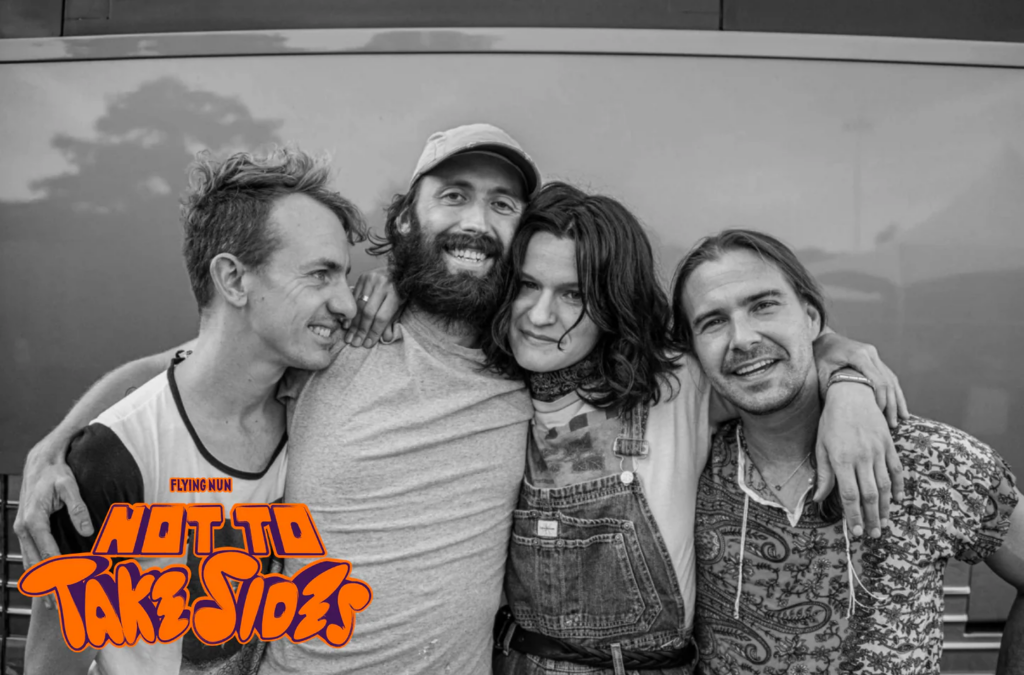
Playful Sound Design and Lyrical Cadence
‘Dragon New Warm Mountain I Believe In You’ prominently features a vibrant appeal to the fun sense, especially within “Time Escaping,” the album’s second track. Brightly chirping synthesizer tones, distinctively hollow drum patterns, and a captivating, enchanting flute melody quite uniquely fill the atmosphere with sound just after the song gets going. Adrianne Lenker sings the first lines – “To hit the stage and blush wild, laughingly / Crush the rage and rush time tappingly” – in a singular combination of slow and rhythmical bouncy vocal cadence. Through this mysterious delivery, Lenker effectively taps into the profound childhood fascination of suddenly recognizing how everything in the world connects together.
Resisting Cynicism Through Curious Observation
As people mature into adulthood, it often becomes easy to let cynicism take control, allowing past experiences to rigidly shape and limit worldviews. However, “Time Escaping” powerfully resists this common impulse. Instead, the song gently rolls forward as Lenker gathers small, everyday observations, metaphorically tucking them into her pockets like precious dandelions or delicate ladybugs discovered during play. This approach actively reminds listeners that continuous discovery remains a vital, joyful part of what truly makes life feel meaningful and worth living.
Music as the Ultimate Vehicle for Discovery
For Big Thief themselves, their chosen method for exploration and revelation has never felt more fully realized or effective than it does throughout this album. Their essential vehicle for unlocking wonder and connection is unequivocally music. It’s music that provides the pathway. Carlo Thomas emphasizes this fundamental truth, highlighting how the band channels discovery through their art form above all else, making “Time Escaping” a testament to music’s unique power to facilitate profound exploration.
15 “Change” ‘Dragon New Warm Mountain I Believe In You, ‘2022’
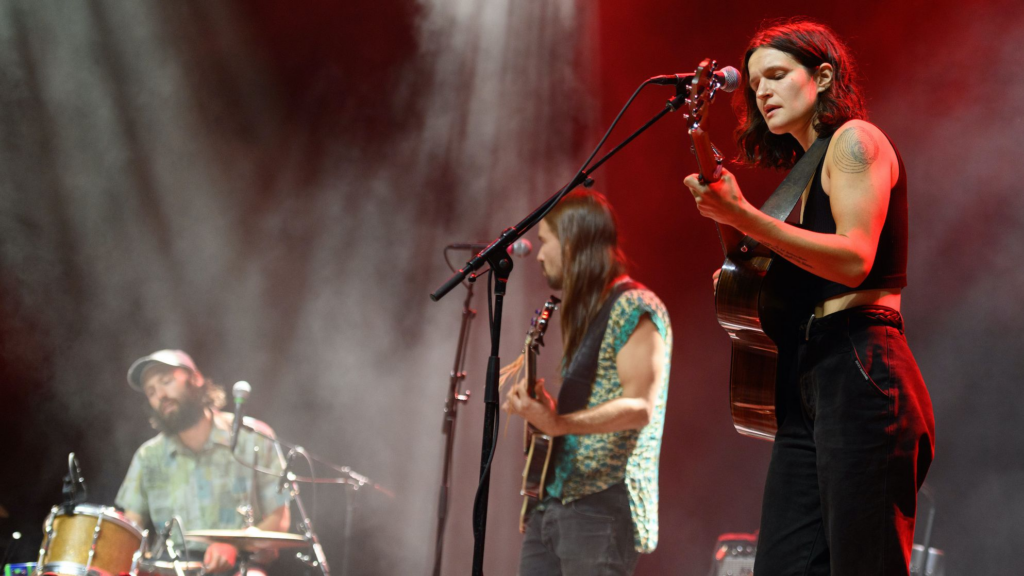
Folk Foundation and Vocal Character
“Change,” the first track of Big Thief’s new album ‘Dragon New Warm Mountain I Believe In You’, really gets you into an atmosphere of traditional folk music. The style pretty much brings back the memories of those vintage artists like Bob Dylan and Peter, Paul and Mary. Honestly, the band from New York City is so perfect in their genre choice that you can hardly notice it is a modern band, but it is Adrianne Lenker’s voice that really makes you feel like you are listening to one of the 60s folk legends.
Lyrical Exploration of Transformation and Existence
Lyrically, “Change” thoughtfully addresses the universal theme of transformation. These reflections subtly but effectively signal the ever-evolving musical and thematic journey that characterizes the entire album. Moreover, Lenker ventures bravely into life’s very fundamental questions. She inquires about feelings, decorates the difference between stillness and movement, and considers the value of life that is given. Most importantly, when she first comes across these huge ideas, she does so with surprising levity and without any fear, which continues throughout the song.
14 “Mythological Beauty” [Capacity, 2017]
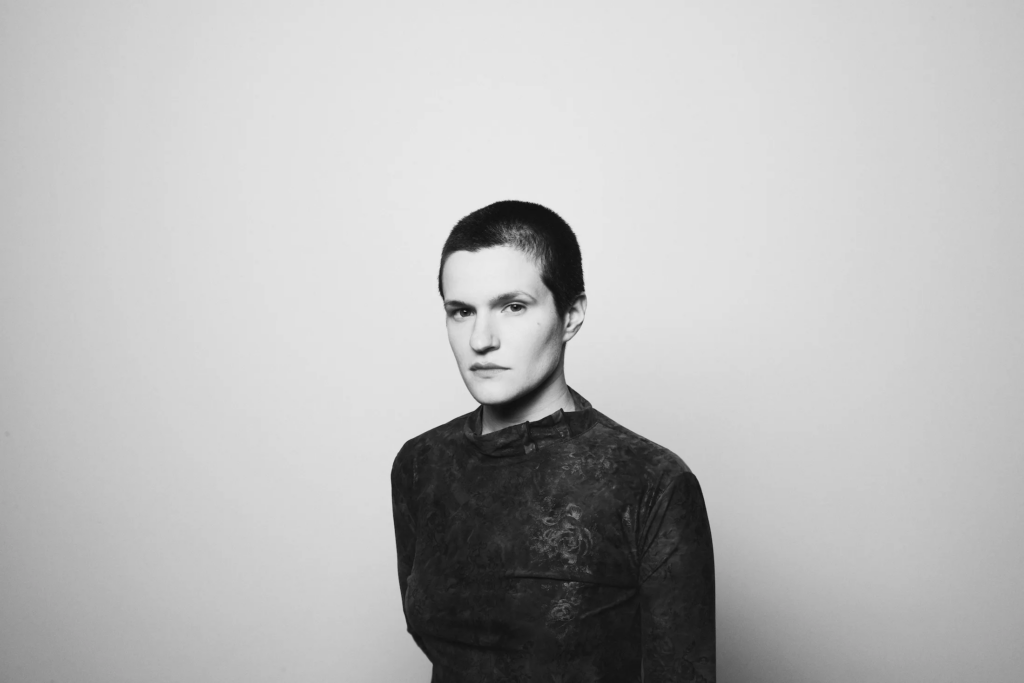
Mother’s Teenage Pregnancy and Compassionate Storytelling
“Mythological Beauty” powerfully embodies compassion through Adrianne Lenker’s deeply personal storytelling. She tells the story of her mother conceiving by the time she was seventeen over a calm, stomping beat and lull folk instrumentation: “Seventeen, you took his cum / And you gave birth to your first life.” Because her mother was too young and incapable of handling the situation, she proceeded to make the hard choice of giving the baby away. Without blame but with a sense of amazement, Lenker admits: “I have an older brother I don’t know, he could be anywhere,” pointing out more understanding than reproach despite the sad situation.
Childhood Emergency and Enduring Maternal Strength
Despite this traumatic past, Lenker’s mother later had Adrianne and her sister. Tragically, young Adrianne then suffered a severe accident while playing in the garden. Lenker vividly describes the scene: “You held me in the backseat with a dishrag / Soaking up blood with your eye / I was just five and you were 27 / Praying ‘please don’t let my baby die’.” Her voice emotionally intensifies, mirroring the terror of that moment. Through the song, listeners journey back in time as Lenker fully inhabits her mother’s perspective—grasping the overwhelming pressure and horror—yet accepting it with profound, loving clarity.
Despite these painful histories and her mother being emotionally “all caught up inside,” Big Thief reveals she has lived generously, honestly, and lovingly throughout her life. Ultimately, this unwavering resilience and kindness justify the song’s title: she remains the true “Mythological Beauty,” as noted by Rob Hakimian.
13 “Little Things” ‘Dragon New Warm Mountain I Believe In You, ‘2022’
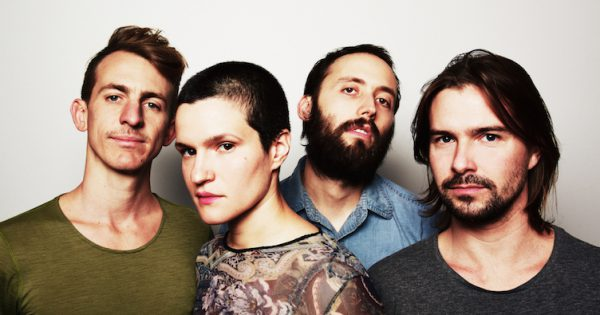
Immediate Sensory Impact and Musical Texture
When “Little Things” was released during summer of 2021, it immediately created a feeling that was simultaneously comforting yet slightly painful. Adrianne Lenker’s acoustic guitar strums consistently produce a shimmering, warm foundation throughout the track. Meanwhile, Buck Meek’s electric guitar deliberately introduces sharp, distorted elements that disrupt this warmth unexpectedly. The particular musical contrast visualizes a change in one’s physical condition that is abrupt and disorientating in a way that one could sense if they had stood up too fast. In addition, it imitates the aural experience of being breathless and having a stopped heart when you suddenly see someone you love very much, which is the emotional core of the song to which the instrumentation is now being linked.
Emotional Volatility and Vulnerability’s Power
The song masterfully captures and intensifies the complex, shifting range of emotions triggered by romantic love. Lenker’s lyrics initially express pure, focused adoration: “New York City is a crowded place / I still lose sight of every other face,” emphasizing her lover’s singular presence amidst chaos. However, her feelings abruptly reverse direction mere seconds later, revealing intense doubt and insecurity: “Maybe I’m a little obsessed / Maybe you do use me.” After her voice softly trails off on the unresolved final line—”Where are you?”—the instrumental arrangement continues persistently forward, maintaining its radiant tenderness without resolution. Crucially, while every song on the album stands out significantly, “Little Things” derives its distinctive strength from raw emotional exposure. It openly acknowledges life’s inherent uncertainties yet courageously celebrates persevering with genuine effort regardless, perfectly embodying Carlo Thomas’s observation about giving “your best shot anyways” despite facing the unknown.
12 “Spud Infinity” ‘Dragon New Warm Mountain I Believe In You, 2022’
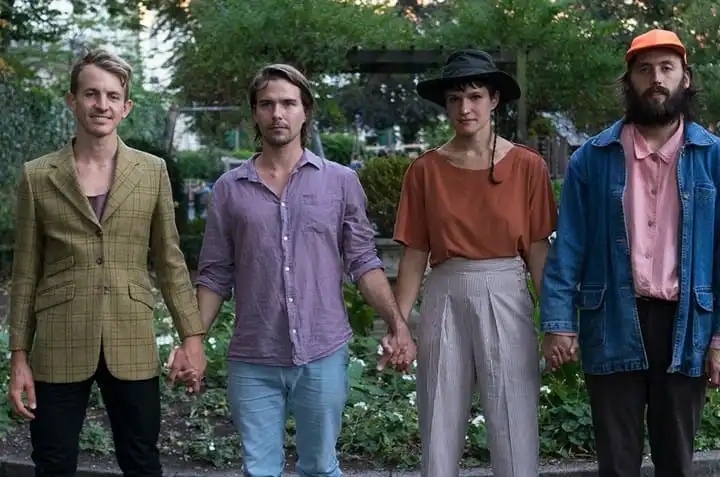
Unlikely Musical Subject and Energetic Execution
One of the magnificent features that potatoes have is being able to cook these in almost any way you want such as frying, mashing, or scalloping. Yet creating a really catchy tune about this simple vegetable might be outside the imagination of many people. Big Thief demonstrates capabilities far beyond merely tugging at heartstrings; they confidently pull listeners into a lively, spirited celebration. These innovative explorers blending folk, country, and bluegrass have included several energetic tracks across their rapidly expanding discography. Yet none energizes audiences quite like “Spud Infinity.” Long before its official studio release, this song became a beloved fan favorite – a communal anthem fusing twangy, deeply heartfelt bluegrass with an unmistakable sense of liberation.
Absurdist Lyrics with Profound Emotional Impact
Admittedly, certain lyrics embrace delightful absurdity – but beneath the whimsy lies a powerful message of radical self-acceptance. Specifically, it urges embracing “the alien you’ve rejected in your own heart.” Consequently, this resonant theme often moves listeners to tears, which might very well fall directly into their dusty cowboy boots as they joyfully two-step alongside fellow outsiders. Ultimately, the track transforms a simple root vegetable into a universal symbol of belonging and unapologetic authenticity, creating an unexpectedly profound communal experience.
11 “Forgotten Eyes” [Two Hands, 2019]
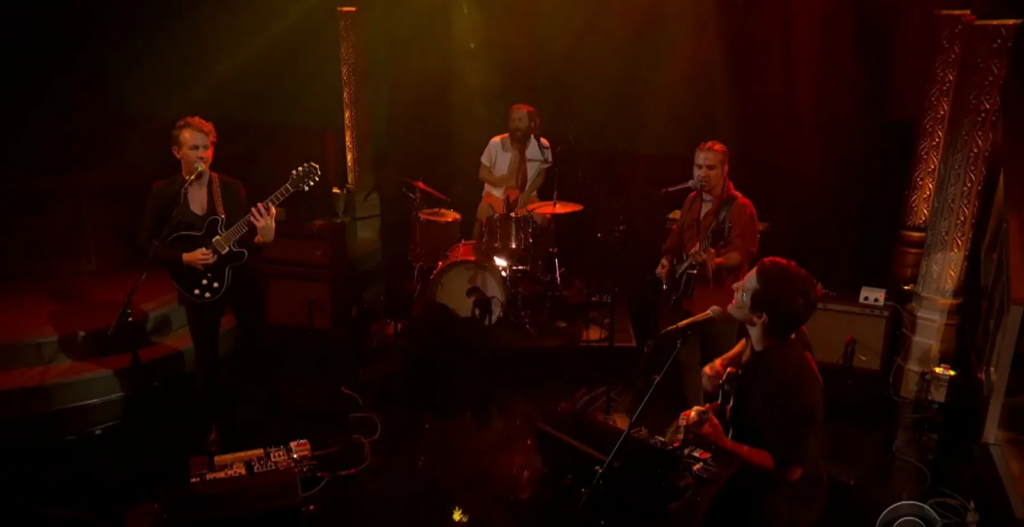
Humanitarian Message Without Cliché
Big Thief frequently explores dark subject matter throughout their music, yet “Forgotten Eyes” stands out as exceptionally loving—so profoundly compassionate it nearly deserves formal humanitarian recognition. Importantly, this warmth avoids any resemblance to overly sentimental anthems like “We Are the World.” Instead, the song’s central chorus line—”Everybody needs a home and deserves protection”—radiates such genuine sincerity it might even make listeners blush with its unguarded earnestness. Furthermore, this message isn’t presented abstractly; it’s intricately woven into a tangible exploration of community as physical experience.
Physical Metaphors and Universal Appeal to Kindness
The lyrics vividly describe our shared humanity using corporeal imagery: referencing “the collective arm” and “the cheek with which we smile,” grounding empathy in bodily connection. Ultimately, Adrianne Lenker’s observations within “Forgotten Eyes” build toward a powerful, direct appeal for universal kindness. As she concludes decisively: “Forgotten tongue is the language of love.” Ethan Reis agrees with this sentiment, affirming: “No doubt,” recognizing the song’s timeless call for compassion and belonging.
10 “Paul” ‘Masterpiece, ‘2016’
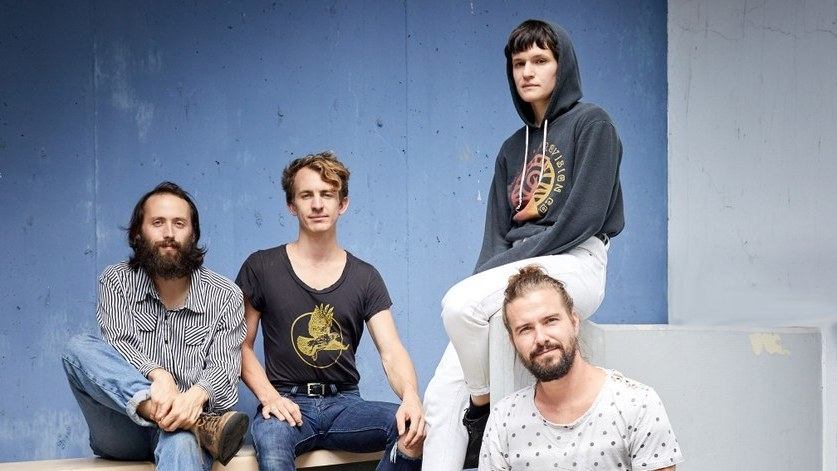
Universal Appeal and Comforting Musical Vibe
For a band that truly has no bad songs in its entire catalog, reaching agreement about its single best work remains challenging. However, “Paul” stands out as arguably Big Thief’s most widely popular song, and this status is absolutely deserved. Its distinctive late night atmosphere, infused with an almost 1950s-style pop sensibility, creates a deeply comforting feeling unlike anything else they’ve created. Meanwhile, the chorus possesses such an instantly classic, welcoming quality that it sounds like the kind of song a brand-new band would strategically save as the centerpiece highlight for their very first album. In fact, that’s precisely what it represented for Big Thief themselves. Ethan Reis personally witnessed its remarkable power to transform a room full of people anxious during the COVID pandemic into a united group of smiling singers, united by the song’s warmth.
Undeniable Significance Among Their Achievements
Despite possessing what feels like a near “cheat-code” level of immediate accessibility and broad appeal, “Paul” unquestionably deserves a place in any serious discussion about Big Thief’s greatest artistic accomplishments thus far. Its ability to connect emotionally with diverse listeners, turning collective anxiety into shared joy as noted by Reis, underscores its profound impact. Furthermore, its enduring popularity and the specific reasons behind it – the comforting vibe, the perfectly crafted chorus, the live transformative power – solidify its essential position within their celebrated body of work. Therefore, omitting it from conversations about their peak achievements simply isn’t justified given its unique resonance and documented effect on audiences.
9 “UFOF” [U.F.O.F., 2019]
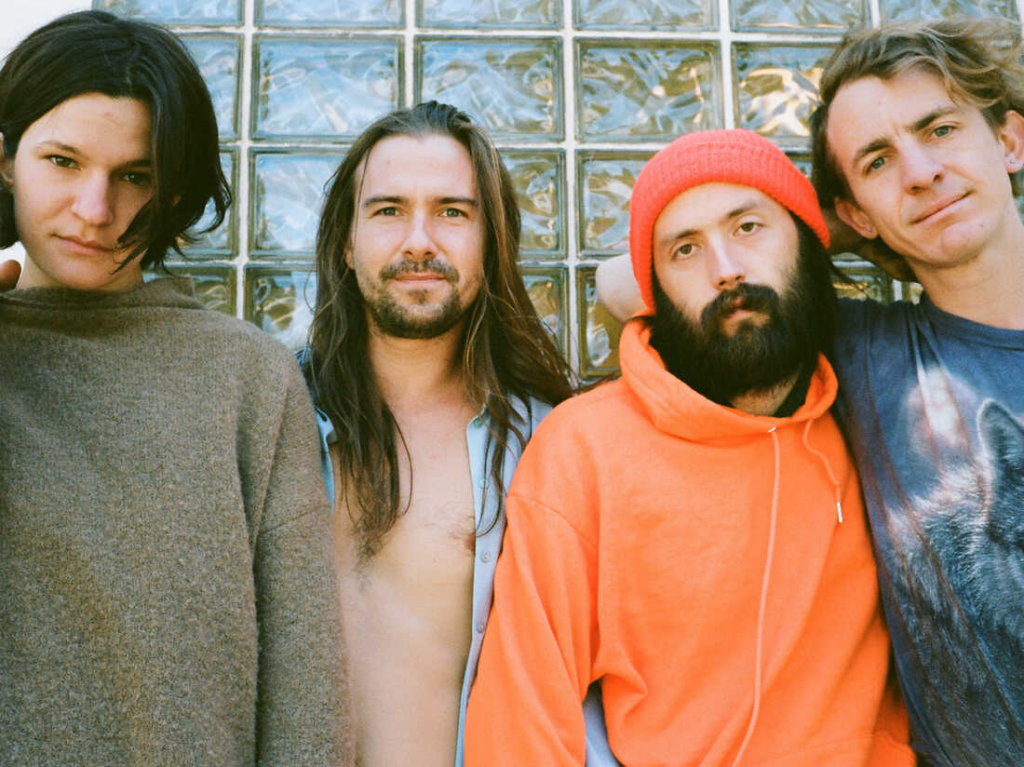
Appalachian Fusion and “UFOF” Musical Synthesis
Big Thief’s third record melodically and lyrically draws from traditional Appalachian and Americana music, but also sheds its pretty to the evocative and ambient side of the instrumentation. With “UFOF,” the band manages to weave psychedelic atmospheres, gentle hypnotic wonders and ancestral folk traditions, especially the use of acoustic guitars, a shuffling drum beat, and a bass line that is controlled yet very striking, into a really fertile nuevo hybrid genre coexistence.
Lenker’s Ethereal Craft and Evolutionary Dynamics
Adrianne Lenker delivers languorous vocals with a sensual melody and poetically free-flowing lyrics (bidding farewell to her “UFO friend”), bolstered by understated yet emotionally complex instrumental interplays. These dynamics represent a core evolution later expanded on ‘Dragon New Warm Mountain I Believe in You’, marking a pivotal artistic progression. – John Amen
8 “Mary” [Capacity, 2017]
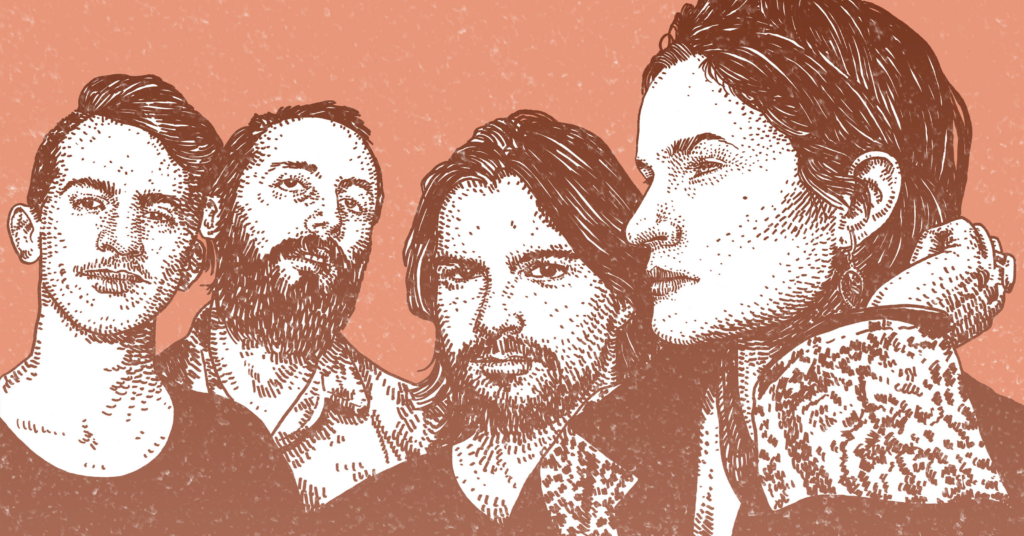
Lyrical Whimsy and Live Communal Magic
Adrianne Lenker’s songwriting spans directness, mystery, violence, and romance, yet “Mary” showcases her most playfully childlike whimsy ever. This luminous torch song presents one of her clearest visions of love, filled with unusual, seemingly incomprehensible metaphors. However, listeners instinctively grasp every word, experiencing a love so overwhelming it transcends language through pure visceral joy. Furthermore, during live performances, entire audiences chant along to its pagan-inspired poetry, hanging onto each line: “Oh and, heavens, when you looked at me / Your eyes were like machinery / Your hands were making artifacts in the corner of my mind.”
Studio Atmosphere and Bittersweet Timelessness
In the studio version, the production builds a fragile aural landscape of subtle piano chords and reverberating synthesizers that seem to flow under Lenker’s lyric like the play of light on water, expressing vast emotion and a desperate yearning for time to continue. However, concisely in this lovely, there is sorrow quite deep as Lenker imagines parting: “And I know that someday soon I’ll see you / But now you’re out of sight / And you’ll kiss me like you used to in the January night.” Ultimately, the song crystallizes her desire to linger eternally with her lover in this fleeting passion—preserving it forever through musical alchemy. – Rob Hakimian
7 “Masterpiece” ‘Masterpiece, ‘2016’
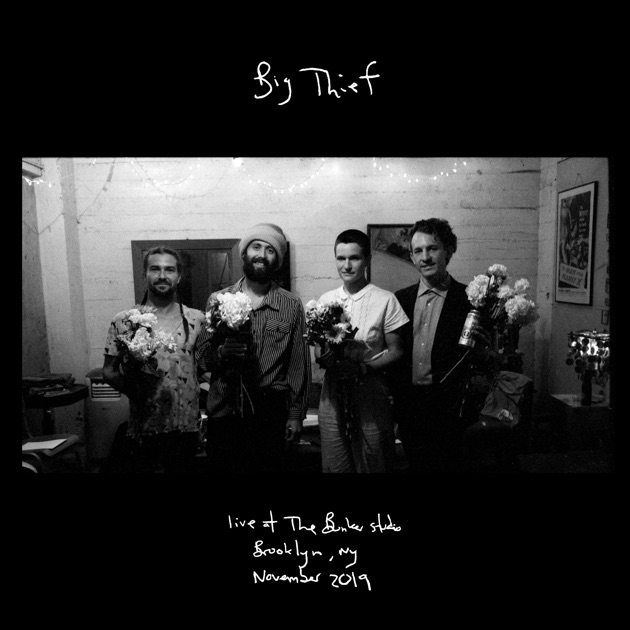
Sensory Bar Imagery and Lover Comparisons
In case one has the ability to smell music (which is not the case as of now), “Masterpiece” would be the smell the most distinctive of a dive bar, a place that for most people would be easy to recognize by such an odour. Adrianne Lenker infuses these details into our imaginations with her indelible first call: “This place smells like piss and beer / Can you get me outta here?” Furthermore, similar to “Change” five years later, this song deeply explores a powerful sense of lover’s déjà vu.
Lenker describes recurring visions with the lines “She looked a lot like me” and “She looks a lot like you,” creating a haunting echo of familiarity across different relationships or moments. This pattern ultimately culminates in a profound, Lucinda Williams-style observation about emotional limits: “There’s only so much lettin’ go you can ask someone to do,” acknowledging the difficulty of repeated emotional detachment.
Catchy Musical Craft and Enduring Classic Status
While playing an evocative, relatable poem to the listeners, an undeniably catchy melody and genuinely beautiful vocal harmonies were paired, which, together, make an irresistibly compelling whole. That’s the reason why it is completely logical that ‘Masterpiece’ got its name from the album, as well as being one of Big Thief’s perennial classics. The flawless blend of raw lyrical truth, shared emotional subjects, and musically accessible yet intricate touches the audience deeply, thereby it becomes a very strong contender for their musical career. Ethan Reis commends this success, pointing to the song’s rightful place among the icons.
6 “Orange” ‘U.F.O.F., 2019’
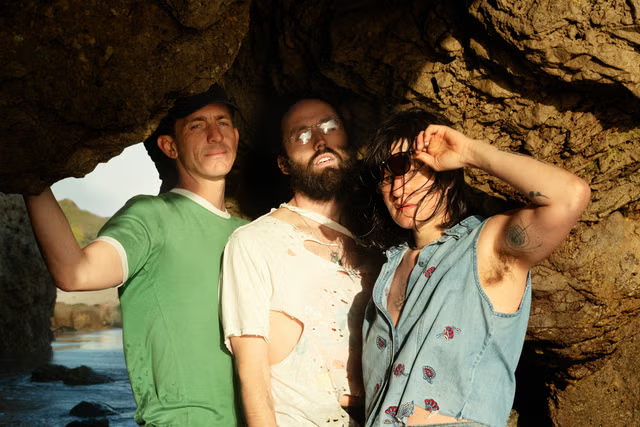
Minimalist Arrangement and Raw Emotional Core
Midway through ‘U.F.O.F.,’ a record that, among other things, is known for its strange and alien-like vibes, the track “Orange” sees the band scaling back to the single guitar and spectral vocals of Adrianne Lenker, a lament which is so “touchable” that the audience “feels” it “viscerally.” Besides, the phrase “She tells me to close and count to ten” evokes the two opposite feelings of deep love and hurt at the same time very powerfully. Consequently, Lenker articulates how a lover’s sudden disappearance leaves devastating unanswered questions and, more significantly, an aching desire to rewrite history, poignantly asking: “Can I close and open once again?”
Signature Songwriting with Heightened Vulnerability
While Lenker’s approach here mirrors her broader style—blending intensely personal perspective with vivid poetic imagery like “Hound dogs crowing at the stars above / Pigeons fall like snowflakes at the border”—the weight of her emotions becomes exceptionally palpable. Specifically, her pain and bewildered disorientation resonate more tangibly than ever. Ultimately, “Orange” definitively reminds us that regardless of the sonic environment Big Thief crafts, Lenker’s lyrical mastery remains the true, irreducible source of the band’s power. Carlo Thomas underscores this truth, affirming the song’s testament to her wordcraft.
5 “Sparrow” [Dragon New Warm Mountain I Believe In You, 2022]
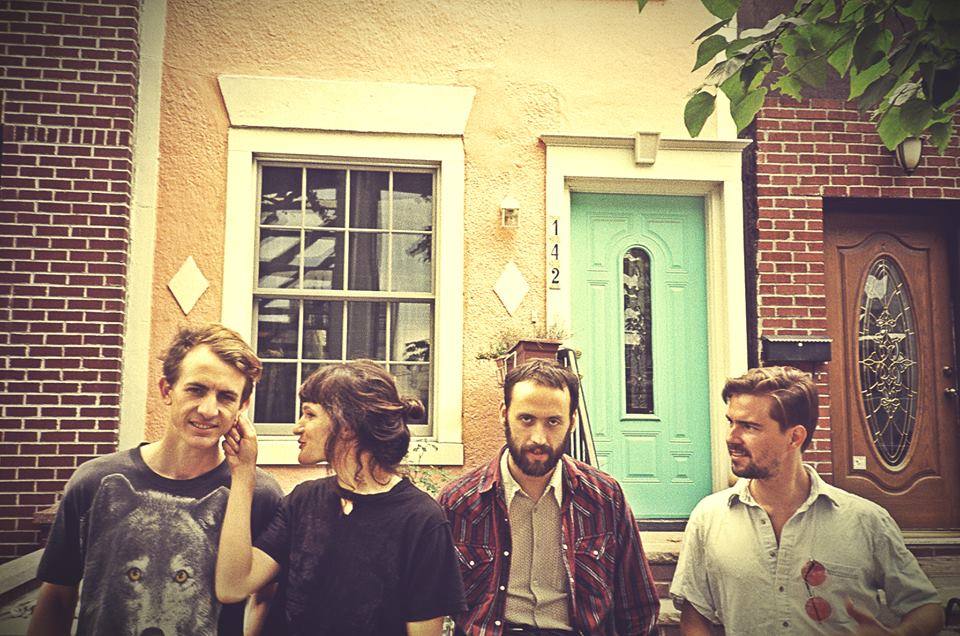
Artistic Alchemy of Simplicity and Myth
Adrianne Lenker possesses a longstanding ability to transform the simplest elements into devastating emotional experiences while making deeply intimate statements feel grandly universal. “Sparrow” masterfully achieves both effects simultaneously. The song quite artistically narrates the artist’s deep personal suffering while still retelling the biblical story of Adam and Eve. As a result, listeners are constantly unsure of what theme to concentrate on or where Lenker plans to take them next.
Through a serious, repetitive, and somewhat hypnotic vocal performance, she gradually brings in several vocal layers, thus making the audience absorb a vast emotional whirlwind of loss and despair. Besides, this method enables the energetic conflict to become more palpable as she performs the rather spooky and mysterious lines: “She has the poison inside her/she talks to snakes, and they guide her.” It is quite incredible how this scene can be made to feel really disturbing, very melancholic, and irresistibly catchy all at the same time.
Thematic Resonance and Primal Emotional Power
The song makes the audience experience very strong feelings: the death of innocence that can’t be turned back, while the consistent social problem of male domination over women’s bodies. Though its minimalist musical setting, “Sparrow,” gives out much more of its message than what the ear can catch at first. Ultimately, the song captures the very core of Big Thief’s most basic creative nature – being rough, primal, and emotionally necessary. As Chase McMullen pretty sums it up: “I mean, it’s primal, essential Big Thief,” giving the band’s core identity as the closest ambassador of the song’s deep nature.
4 “Cattails” ‘U.F.O.F., 2019’
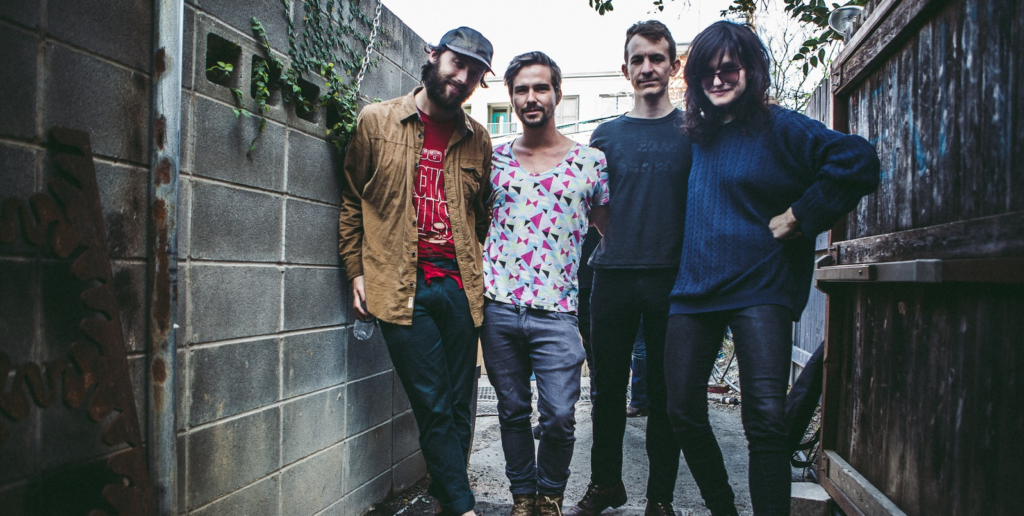
Spontaneous Creation and Organic Sensory Immersion
Adrianne Lenker wrote “Cattails” during an inspired morning at Washington’s rural Bear Creek studio while surrounded by pine trees. This song beautifully captures nature’s wonder and the diverse joy of simply being alive. The recording process happened almost instantly as she composed it: engineer Dom Monks quickly set up microphones around Lenker while she worked through the stumbling lyrics, and drummer James Krivchenia improvised percussion alongside her until she perfected the take. The final version preserves this raw spontaneity; listeners vividly feel a fresh breeze through their hair and envision swaying cattails synchronizing with the 12-string guitar’s rhythm in their imagination.
Lyrical Tapestry and Spiritual Crescendo
Lyrically, Lenker contemplates existence and aging through both mundane and mystical wonders. Her verses fluidly shift from supernatural imagery like “meteor shower at the motel” to characterful scenes such as “middle of the river in your lawn chair.” These observations culminate in the exquisitely balanced hook “you don’t even know why when you cry,” blending pleasure and pain. Every element of “Cattails” operates in flawless harmony—Lenker’s tumbling words interlocking with the irrepressible arrangement—generating intense emotional energy. During the resounding finale, hiccupping piano notes dance beneath the sparkling surface, ultimately lifting listeners to a profound state of spiritual happiness centered purely on the gift of being alive. – Rob Hakimian
3 “Contact” [U.F.O.F., 2019]
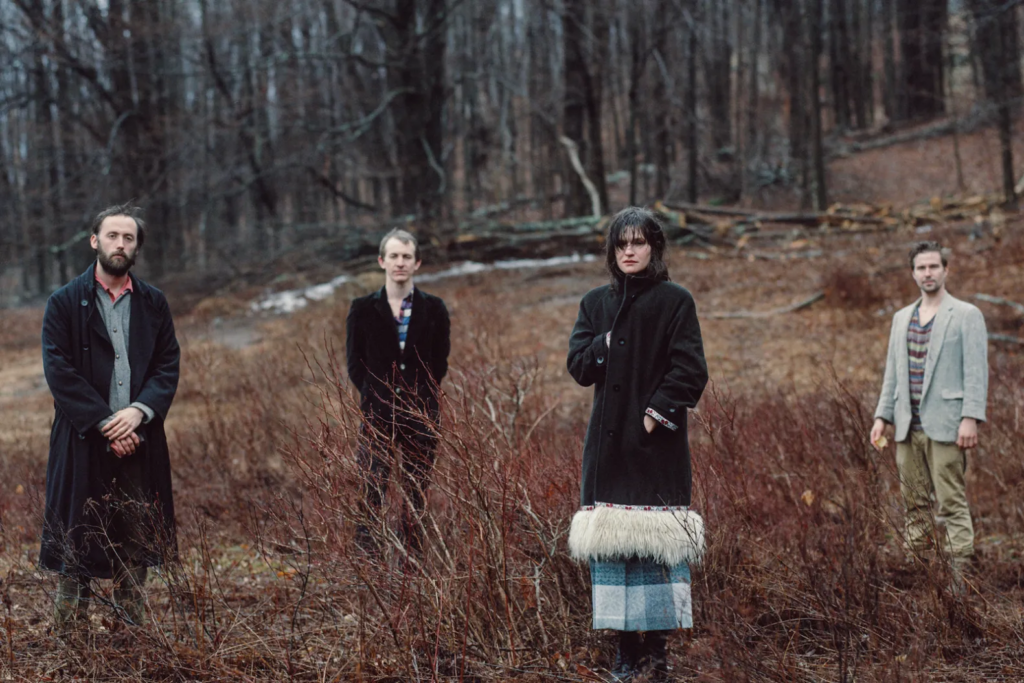
Lenker’s “Psychedelic Thinking” and Numbness Metaphor
Adrianne Lenker exhibits fascinating silence in interviews—her gaze wanders, she takes long pauses before responding, and fixates on small room details. She terms this “psychedelic thinking,” meandering through ideas and experiences, a trait she associates with her Cancer zodiac sign. “Contact” deliberately captures this dissociative state, which Lenker describes: “It’s about swirling around in this kind of numb state… like being underwater unaware until you realize you can’t hear, see, or feel. You see surface light, then panic: ‘Wait no, I can’t slip away. I need to feel alive and connected.’”
Thematic Spirals and Cathartic Sonic Breakthrough
The song envelops Lenker’s recurring motifs: water (liberating yet terrifying), motherhood (nurturing as “Wrap me in silk / I want to drink your milk” but sinister as “She gives me gills / Helps me forgive the pills”), and dreams as both escape and mental prisons. These themes spiral quietly within a deeply mysterious atmosphere until—suddenly—the music freezes for one second. Then, screaming erupts: Lenker shrieks repeatedly at top volume over a solemn grunge riff. This creates intense power, luring listeners with marine imagery (fish, gills) before jolting them into bodily awareness. As John Wohlmacher notes, it mirrors “breaking through the surface, feeling everything”—a wake-up siren announcing U.F.O.F. with pure, unbridled emotion.
2 “Simulation Swarm”
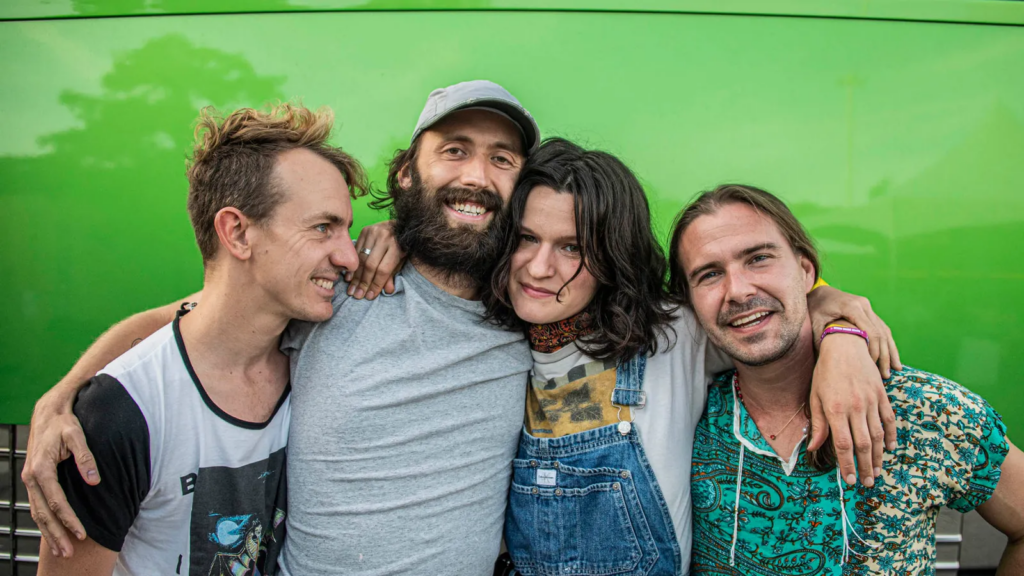
Catchy Surface Meets Futurist Alienation
“Simulation Swarm” is one of a few songs that skillfully mixes a gloriously catchy, user-friendly outer layer with unexpected heavy emotional substance. Now it seems that Adrianne Lenker is imagining a very futuristic scenario of living in cyberspace or maybe a virtual reality with extreme solitude that ends up being violent. The singer then walks the listener through this mounting rage that leads to the wish to escape entirely to tranquility. The song’s catchy tune and beat are at odds with its disturbing theme, thus provoking the audience to feel the beat while still pondering over today’s social alienation.
Pivot to Loss and Universal Call for Peace
Suddenly, the tune changes its pace to a reflection of the singer’s experience of the loss of someone close. The song goes on to talk about the necessity of fixing broken relationships that have not become buried deep enough and lost forever. Through this sensitive change, Lenker also brings in strong images of light: one being the moving “river of light” and the coming together force of music. The track reaches its peak with the most heartfelt lines, which not only touch but also evoke deep emotions that go beyond the context: “I’d fly to you tomorrow, I’m not fighting in this war / I wanna drop my arms and take your arms / And walk you to the shore.”
By this very last verse, the artist really goes to the limit of giving up fighting and embracing the power of human relationships; thus, the audience is left with the words of a lingering demand for peace, both in the world and within our hearts.
1 “Not” [Two Hands, 2019]
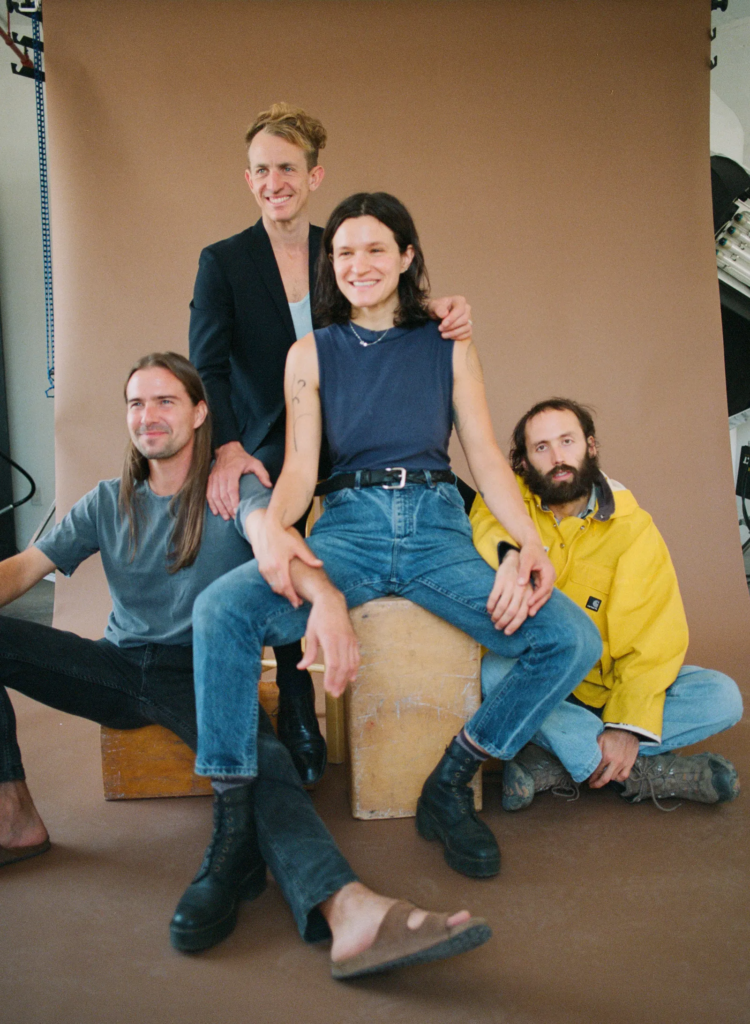
Raw Rock Foundation and Gradual Buildup
Barebones rock and roll has consistently formed an essential thread within Big Thief’s distinct musical identity, characterized by disheveled yet captivating raw beauty. They have never demonstrated this foundational element more viscerally than through “Not,” which arguably represents the absolute pinnacle of their album ‘Two Hands’. The song begins as a noise-rock epic centered on pure emotional release, establishing itself undeniably as the band’s loudest recorded moment so far. Crucially, its first two minutes unfold through a slow, intensely atmospheric folk-rock crawl that deliberately builds suspense and induces goosebumps. During this tense introduction, Adrianne Lenker’s vocal delivery gradually smolders, transforming her into a fiery emotional ball poised for imminent combustion.
Explosive Climax and Painful Memory Reckoning
When Lenker finally releases, the audience that are present take a strong impression: this moment is one of Big Thief’s most defining milestones, not only from an emotional aspect but also from a musical one, which are the two things they most deeply identified with in their art. The blast is happening amid an intense, suffocating mass of shrieks caused by the battering of the drums and the distortion of the guitar. Fighting with the noise, Lenker sings her heartbreak cry, bringing back to life some very small yet very painful times of her life. She briefly gives life to intimate, visceral images—bleeding blood, warm dew, spine tattoos—simply through acknowledging their existence. However, she swiftly expels these haunting memories from her consciousness, utilizing the extinguishing force of her anguished scowl to banish them completely. – Kyle Kohner